Beauty trends: Natural vs. artificial aesthetics in modern society
Beauty trends: Natural vs. artificial aesthetics in modern society
The Evolving Concept of Beauty
Beauty has always been a subjective concept, varying across cultures and eras. In todays society, it increasingly represents a blend of both natural and artificial aesthetics. As our understanding of beauty evolves, so do our perceptions of what it means to be beautiful.
The Rise of Natural Beauty
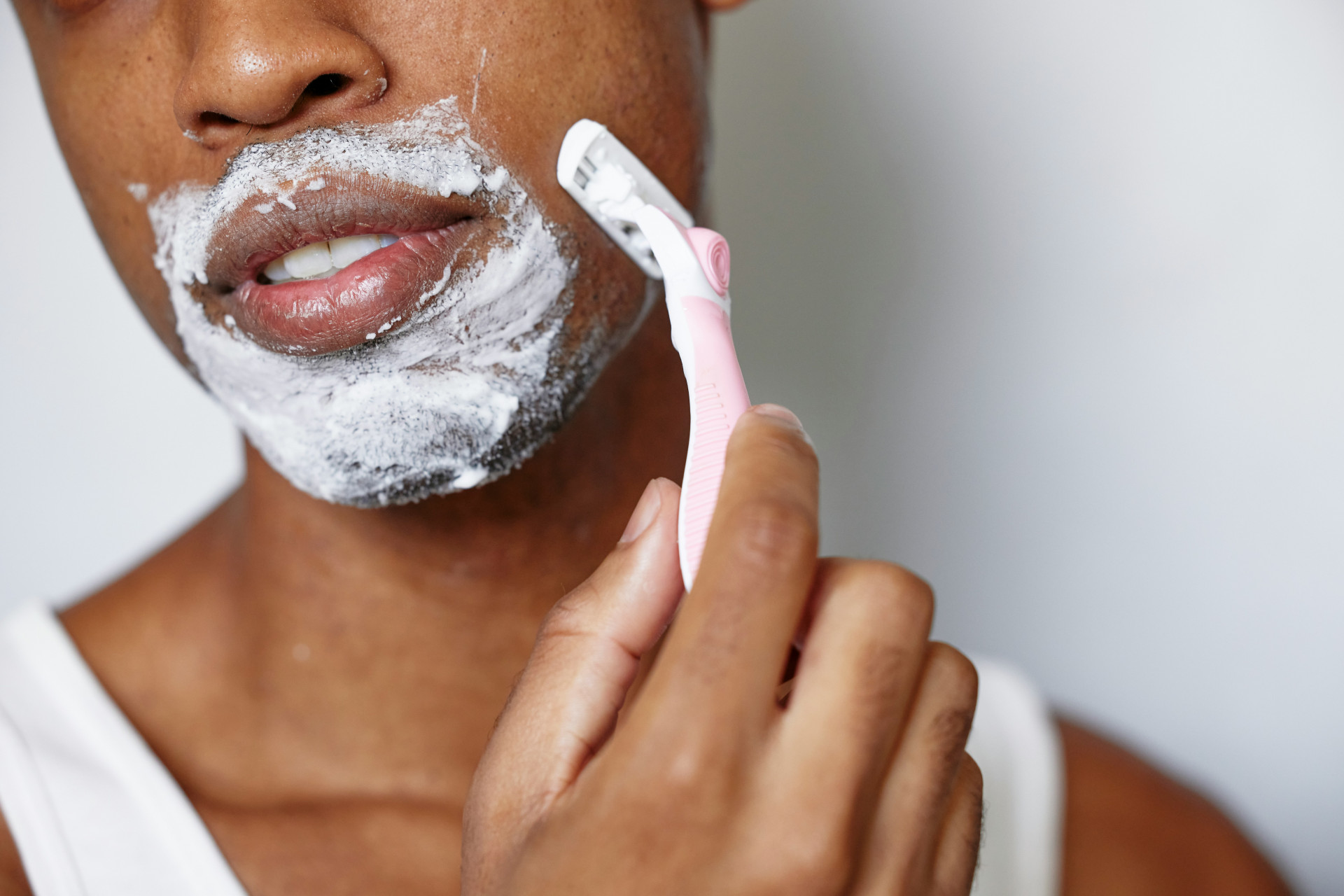
Natural beauty has gained significant traction in recent years. With the rise of wellness culture and holistic health, many people are prioritizing authenticity over artificial enhancements. The minimalist skincare trend emphasizes natural ingredients and promotes a “less is more” approach.
Social media influencers often flaunt their natural features, sparking a movement toward embracing flaws and imperfections. This aesthetic aligns with the growing preference for authenticity in a world dominated by filters and photo editing. The message is clear: real beauty comes from within.
Artificial Aesthetics in the Spotlight
On the flip side, artificial aesthetics remain prevalent and often celebrated in modern society. From cosmetic surgeries to advanced makeup techniques, many individuals invest heavily in altering their appearance. The allure of perfection drives trends like contouring, fillers, and even skin whitening treatments.
The media plays a significant role in promoting these artificial ideals. Celebrities with seemingly flawless complexions become trendsetters, leading many to pursue similar looks. This influence often breeds comparison and dissatisfaction, pushing people towards cosmetic interventions to achieve societal standards of beauty.
Millennial and Gen Z Perspectives
Generational attitudes towards beauty significantly impact this dynamic. Millennials champion self-love and body positivity, often leaning toward natural beauty. They are vocal critics of the unrealistic standards perpetuated by social media, advocating for transparency and authenticity.
On the other hand, Gen Z exhibits a more nuanced approach. While they appreciate the values of authenticity, they are also drawn to the beauty of self-expression through vivid makeup, fashion, and even body modification. For this generation, beauty is not limited to one aesthetic; it is a canvas for individual creativity.
The Role of Social Media
Social media platforms have transformed the beauty industry, amplifying both natural and artificial trends. Instagram, TikTok, and YouTube serve as stages for beauty gurus and influencers to showcase their perspectives. Tutorials range from no-makeup looks to elaborate makeovers, catering to diverse audience preferences.
However, social media can also contribute to an unrealistic portrayal of beauty. Filters and editing tools enable users to present an idealized version of themselves, perpetuating the idea that augmented beauty is the norm. This paradox challenges users to navigate between authenticity and the desire for a curated image.
The discussion around natural versus artificial beauty transcends personal choices; it touches on cultural and ethical dimensions. In many cultures, traditional beauty standards favor certain characteristics, often influenced by historical narratives and societal norms.
Moreover, the beauty industry must grapple with issues like inclusivity and representation. The desire for artificial enhancements can sometimes stem from deeply ingrained societal pressures. Recognizing the difference between personal preference and societal expectation is crucial for understanding beauty trends.
Conclusion: Navigating Personal Choices
This exploration of natural and artificial aesthetics highlights the complexity of beauty in modern society. As individuals navigate their personal definitions of beauty, the ongoing dialogue between these two approaches will continue to shape trends and personal perceptions.