Adjust Your Dough for the Season – and Achieve Consistent Results Every Time

Adjust Your Dough for the Season – and Achieve Consistent Results Every Time
Baking bread isn’t just about following a recipe – it’s about understanding how your environment affects the dough. Temperature, humidity, and ingredient temperature all play a bigger role than most people realize. That’s why the same recipe can behave very differently in January and in July. By adjusting your dough to the season, you can achieve consistent, reliable results every time.
Understand the Key Factors
When you bake, you’re working with living ingredients. Yeast and sourdough cultures respond to warmth, cold, and moisture. That means you need to adjust proofing time, hydration, and temperature depending on the season.
- Temperature: Yeast thrives around 25–30°C (77–86°F). In a cool kitchen, fermentation slows down; in a warm one, it speeds up – sometimes too much.
- Humidity: In most parts of Canada, winter air is dry, while summer can be humid, especially in coastal or central regions. This affects how much flour your dough absorbs.
- Ingredient temperature: Flour, water, and starter can vary in temperature depending on where they’re stored. That difference can have a big impact on how your dough develops.
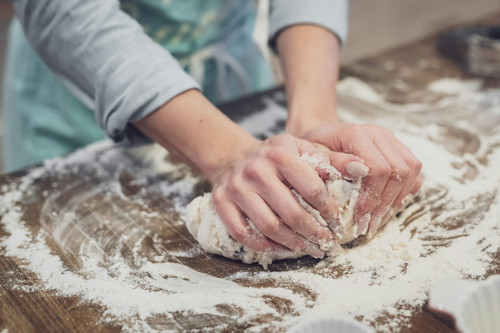
Learning to “read” your dough and respond to its behavior will make you a more intuitive and adaptable baker.
Winter: Give Your Dough Time and Warmth
Canadian winters can be long and cold, and your kitchen might be cooler than you think. That slows down fermentation. It can be tempting to add more yeast, but that’s rarely necessary. Instead, try:
- Use slightly warmer water – around 30–35°C (86–95°F) – to give the yeast a head start.
- Let the dough rise in a warm spot – for example, in the oven with the light on or near a heating vent.
- Extend the proofing time – slow fermentation often leads to better flavor and texture.
If you’re working with sourdough, feed your starter more frequently in winter to keep it active and lively.
Læs også:

Summer: Keep the Dough Cool
When the temperature rises, fermentation speeds up. Dough can overproof quickly, losing structure and flavor. The key is to slow things down a bit.
- Use cold water – even straight from the fridge.
- Reduce the amount of yeast – especially for overnight rises.
- Try cold fermentation – letting the dough rise in the fridge gives you more control and a deeper flavor.
If you use sourdough, store your starter in the fridge and take it out a few hours before baking. This prevents it from becoming overly active or sour in the heat.
Spring and Fall: Watch for Swings
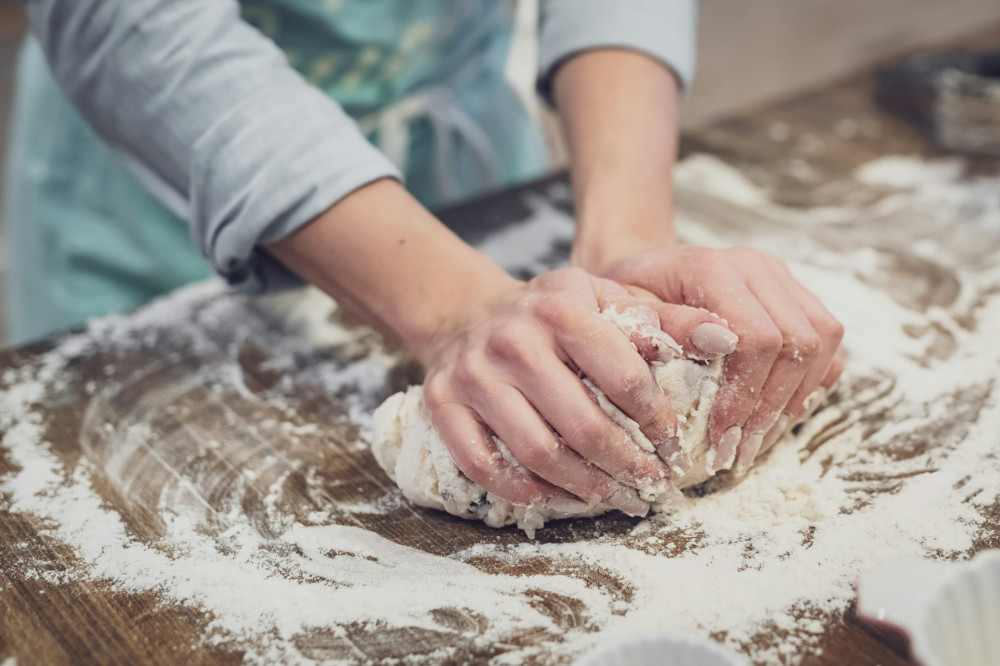
In spring and fall, temperatures can fluctuate from day to day. That means you’ll need to pay extra attention to how your dough behaves. Use your senses: feel the dough, watch how it rises, and adjust as needed.
A good habit is to keep notes on your baking – record the temperature, proofing time, and results. Over time, you’ll build a personal guide to how your dough responds to different conditions.
Adjust Hydration for Humidity
Humidity affects how much water flour can absorb. On dry winter days, dough may feel stiff; in humid summer weather, it can turn sticky.
- If the dough feels too dry: Add a little extra water, a tablespoon at a time.
- If it’s too wet: Sprinkle in a bit more flour, but don’t overdo it – a slightly moist dough often bakes into a softer, more flavorful loaf.
The goal is a dough that feels elastic and supple – not too dry, not too sticky.
Bake with the Seasons
While you’re adjusting your dough, let the season inspire your flavors too.
- In autumn, try hearty grains, nuts, and dried fruit.
- In spring, add fresh herbs or grated vegetables for a lighter touch.
- In summer, think of Mediterranean flavors – olives, roasted peppers, or sun-dried tomatoes.
- In winter, warm spices like cinnamon, cardamom, and nutmeg bring comfort to the kitchen.
Baking with the seasons isn’t just about technique – it’s about mood, flavor, and connection to the time of year.
Consistency Comes from Awareness, Not Perfection
Even experienced bakers find that dough behaves differently from one bake to the next. That’s part of the craft. By understanding how the seasons influence your dough, you can take control and achieve more predictable results – without losing the joy of experimentation.
When you learn to work with nature’s rhythm instead of against it, baking becomes more than a routine. It becomes a living process – one that changes with the weather, the season, and you.
Læs også: