Creative Fusion: Combine Geometric Shapes and Freehand Embroidery in One Unique Design

Creative Fusion: Combine Geometric Shapes and Freehand Embroidery in One Unique Design
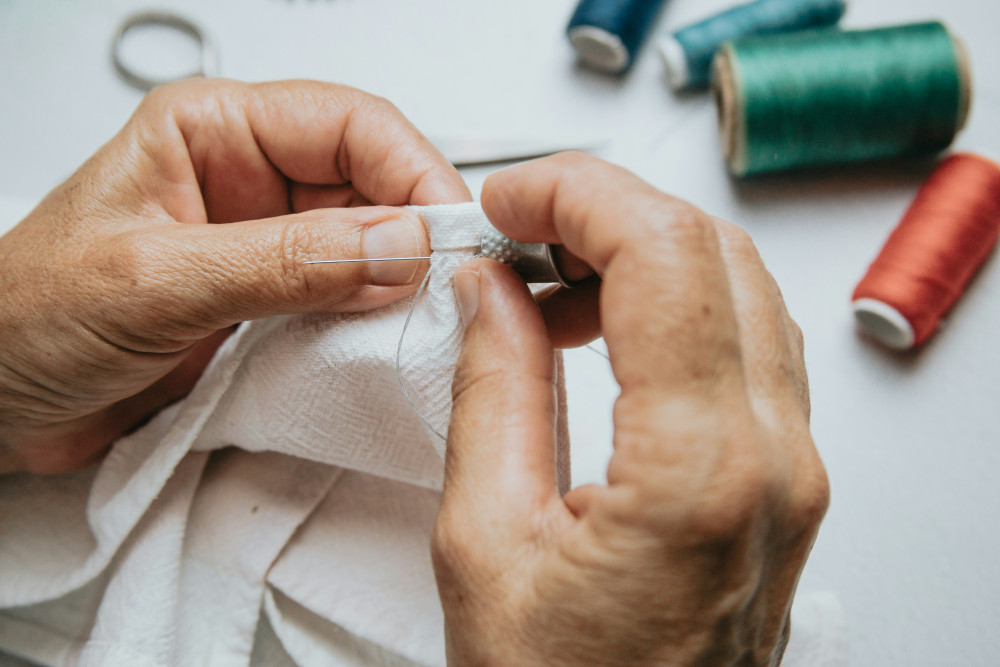
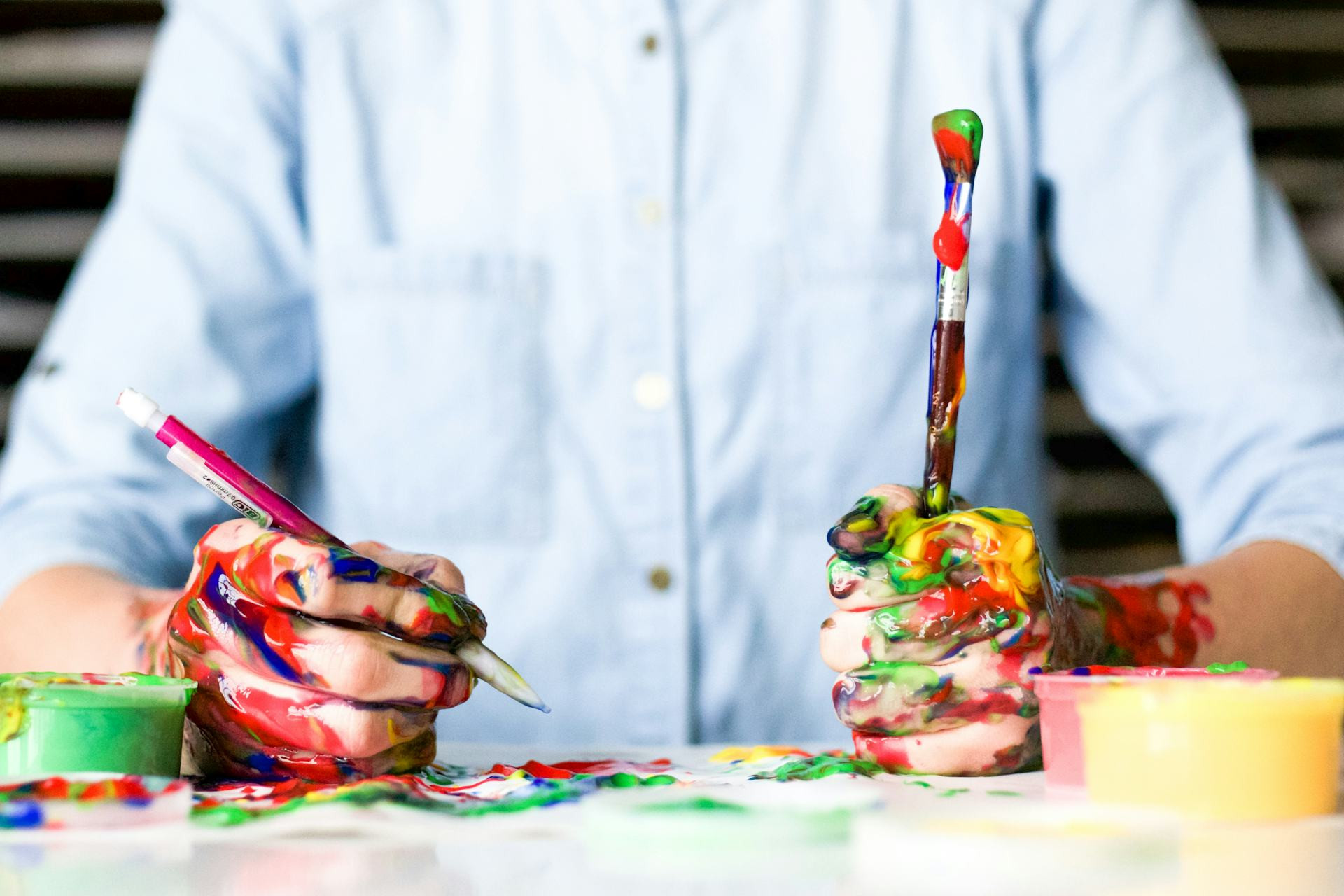
When precision meets spontaneity, something truly special happens. The combination of geometric shapes and freehand embroidery is a perfect example of how structure and creativity can merge into a design that feels both modern and deeply personal. This creative fusion invites you to play with contrasts – between the structured and the organic, the planned and the intuitive. Here’s how you can create your own unique piece where math and craftsmanship come together in harmony.
From Pattern to Expression
Geometric shapes have long been a cornerstone of design – from the clean lines of the Bauhaus movement to today’s minimalist aesthetics. When paired with freehand embroidery, they create a look that’s both graphic and alive. The sharp forms provide a framework, while the free stitches add texture, movement, and individuality.
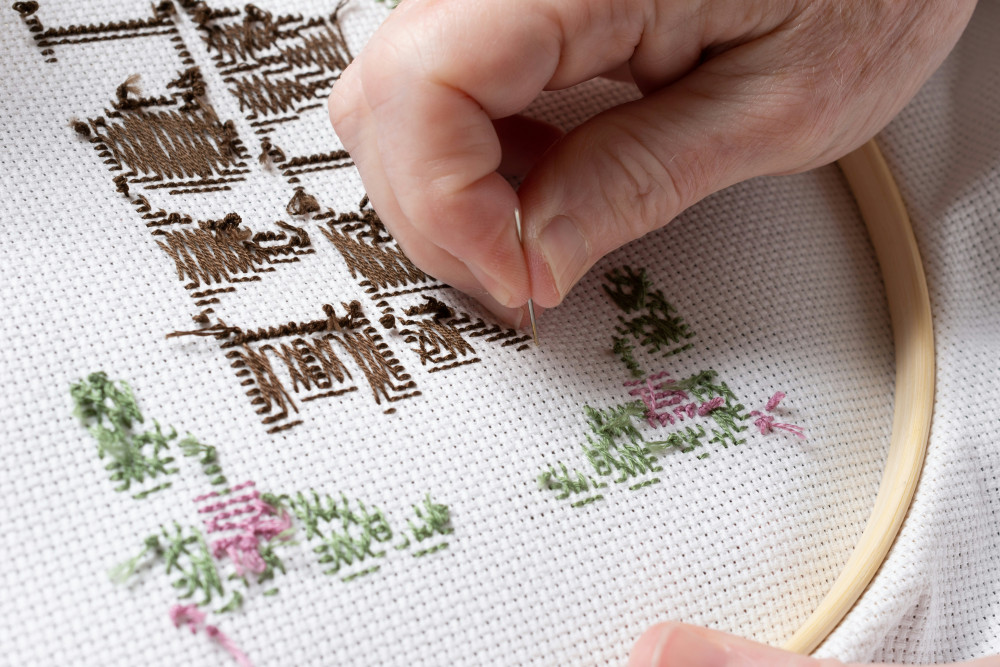
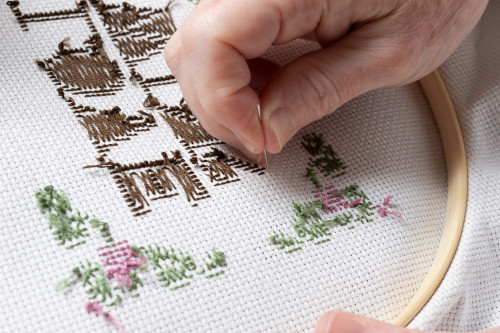
Start with a simple geometric pattern – triangles, circles, or hexagons work beautifully. You can sketch it directly onto your fabric with a pencil or transfer it using tracing paper. Then, let your freehand embroidery flow around or within the shapes. Add small details that break the symmetry or use colourful threads to contrast the clean lines.
Materials and Preparation
To achieve the best results, choose materials that complement both the graphic and the tactile aspects of your design.
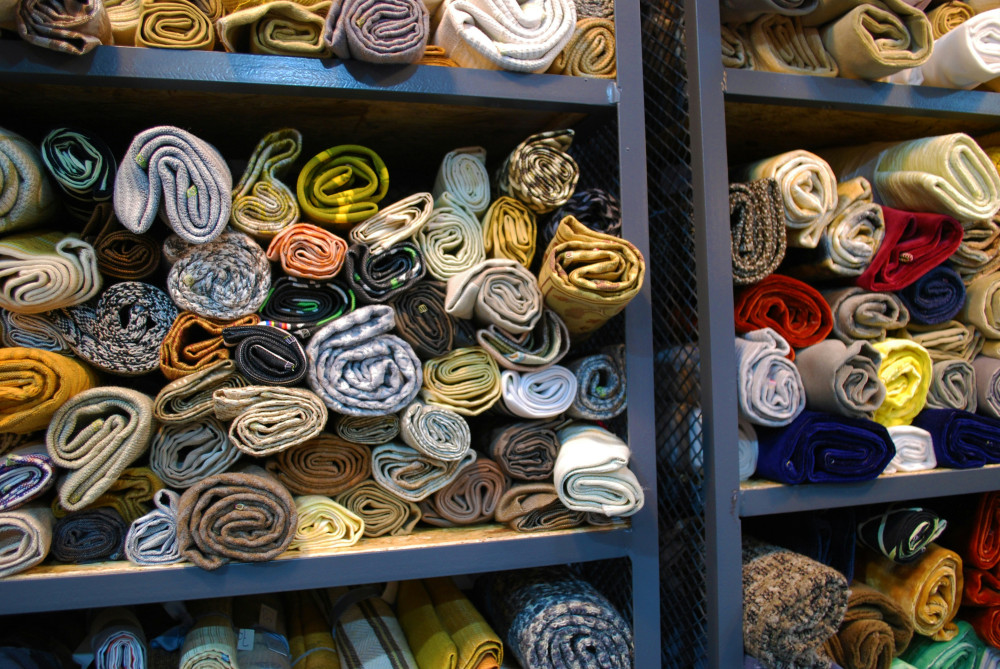
- Fabric: A tightly woven fabric such as canvas, linen, or cotton provides a stable base for both drawing and stitching.
- Thread: Cotton or silk embroidery floss works well. Try mixing thread thicknesses to create depth.
- Needles: Use a sharp embroidery needle with an eye that matches your thread size.
- Hoop: An embroidery hoop keeps your fabric taut, ensuring even stitches.
- Drawing tools: A pencil, ruler, and compass will help you create precise geometric shapes.
Once your materials are ready, sketch your pattern onto the fabric. Don’t worry about perfection – small variations add character and emphasize the handmade quality of your work.
Playing with Contrasts
The beauty of combining geometry and freehand embroidery lies in the contrast. You can experiment with:
- Colour: Use muted tones for the geometric shapes and bold hues for the embroidery – or reverse it.
- Texture: Smooth surfaces against rough stitches create a tactile experience.
- Rhythm: Repetition of shapes brings calm, while irregular stitches add energy.
A good rule of thumb is to let the eye wander. Balance the calm with the dynamic so that your design feels harmonious, even when it breaks the rules.
Læs også:
Inspiration from Nature and Architecture
If you’re looking for ideas, draw inspiration from both nature and architecture. Leaf patterns, honeycombs, and snowflakes offer natural geometry, while buildings, tiles, and city grids inspire more structured compositions. Try combining a series of circles inspired by the sun and moon with embroidered lines that mimic the movement of wind – a poetic balance between order and freedom.
How to Get Started
- Sketch your design: Begin on paper to experiment with proportions and placement.
- Transfer to fabric: Use tracing paper or draw directly onto the fabric.
- Stitch the geometric lines: Use backstitch or chain stitch to create crisp outlines.
- Add freehand embroidery: Fill in with intuitive stitches – perhaps small flowers, spirals, or abstract motifs.
- Finish and display: Once complete, frame your piece, sew it onto a pillow, or turn it into wall art.
A Personal Touch in a Digital World
In an age where so much design happens on screens, it can be refreshing to create something that bears the unmistakable mark of the human hand. Combining geometry with freehand embroidery allows you to craft something that feels both contemporary and heartfelt. Every stitch becomes a small deviation from perfection – and that’s exactly what makes it unique.
Whether you’re new to embroidery or an experienced maker, this technique offers a wonderful way to explore your creativity. It’s not about following a strict pattern, but about finding your own balance between structure and freedom – a creative fusion that’s as individual as you are.
Læs også: