Keep the Tension – Literally: The Technique Behind a Good Fight with the Fish

Keep the Tension – Literally: The Technique Behind a Good Fight with the Fish
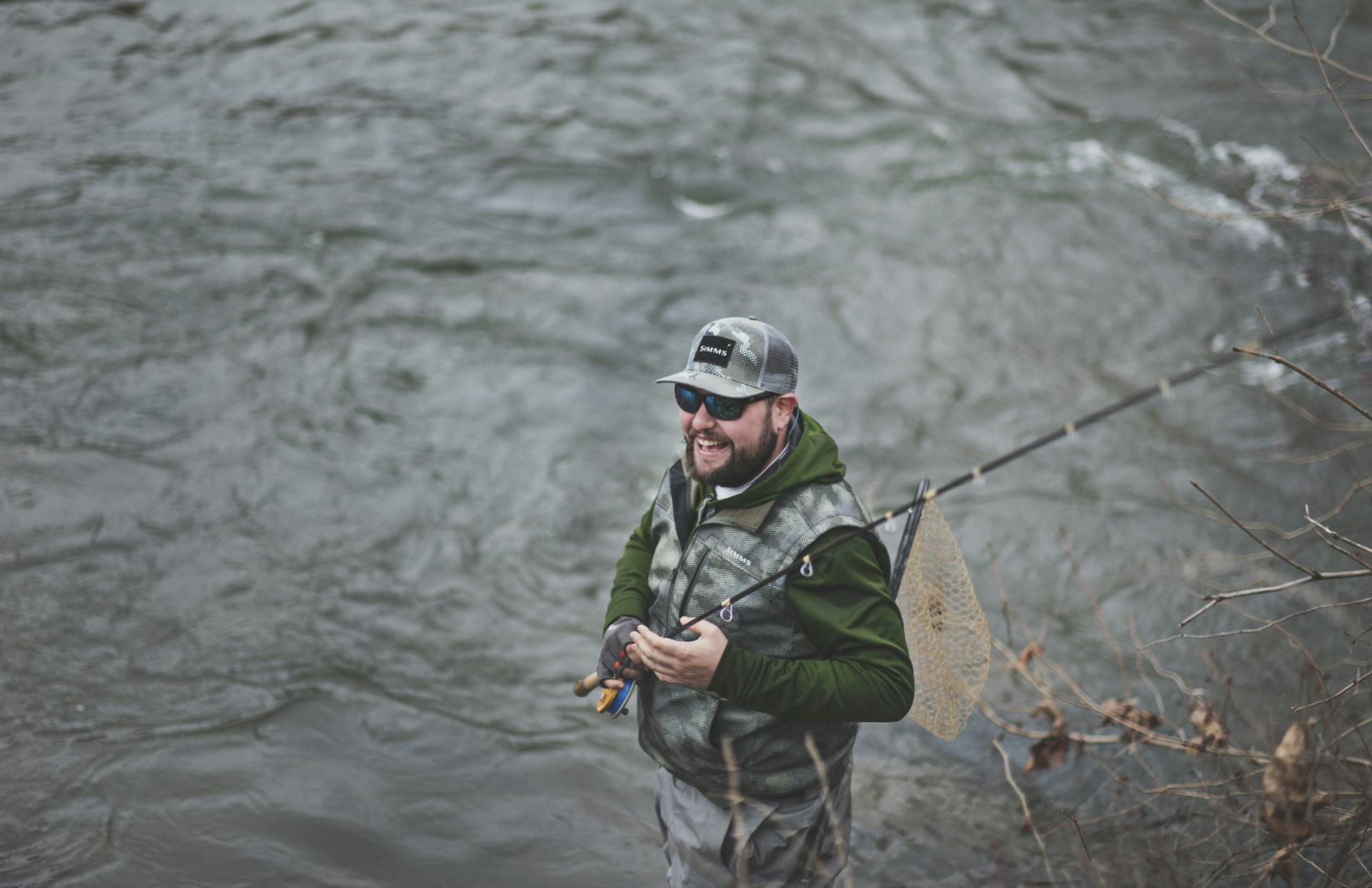
When the line tightens and the rod bends, that’s the moment every angler lives for – the battle between human and fish. It’s where skill, patience, and experience truly come into play. A good fight isn’t just about strength; it’s about control, timing, and understanding both your gear and the fish’s behavior. Here’s how to keep the tension – literally – and increase your chances of landing that fish.
Understanding Line Tension
Line tension is the key to a successful fight. Too little tension, and the fish can shake the hook loose. Too much, and the line might snap. The goal is to find that sweet spot where you maintain steady contact with the fish while still allowing it to run when needed.
A good rule of thumb is to keep your rod at about a 45-degree angle to the water. This gives you both flexibility and control. The bend in the rod acts as a shock absorber, softening sudden pulls, while the drag on your reel ensures the line doesn’t break under pressure.
Læs også:

Using the Drag Properly
Your reel’s drag is your best friend during a fight. It should be set so the fish can take line, but not without resistance. A drag that’s too tight risks breakage; too loose, and the fish gains too much freedom.
Set your drag before you start fishing – ideally so it gives line when you pull with about one-third of the rod’s rated strength. During the fight, adjust as needed: loosen it slightly if the fish makes long runs, and tighten it when you’re bringing it closer.
A handy trick is to use your finger lightly against the spool to add a touch of extra resistance for short bursts – but be careful not to overdo it, especially when using light line.
Read the Fish – and Let It Work for You
Every species fights differently. A salmon might make fast, powerful runs, while a northern pike pulls with heavy, determined strength. A walleye often fights deep and steady, while a lake trout can feel like hauling up a stubborn weight from the depths.
The key is to read the fish and respond accordingly. When it runs, let it go – but keep steady pressure. When it pauses, reel in line smoothly. Use your rod’s flexibility to your advantage: lift the rod to draw the fish toward you, then lower it while reeling in quickly.
This rhythm – lift, reel, repeat – lets you work with the fish rather than against it, and that’s often the difference between success and a lost catch.
Stay Calm When the Fish Is Close
Most fish are lost right at the net. That’s when adrenaline peaks and mistakes happen. But this is exactly when you need to stay calm.
As the fish nears, avoid raising the rod too high – that can loosen the hook. Instead, guide the fish gently toward the net, ideally headfirst. If it makes one last run, let it go; better that than snapping the line.
Keep the net ready in the water, and don’t try to “scoop” the fish with a quick swing. Lift only once the fish is securely inside.
Gear That Makes a Difference
While technique matters most, the right gear can make the fight smoother and more controlled.
- Rod: Match the rod to your target species – too soft, and you’ll struggle to set the hook; too stiff, and you risk breaking the line.
- Reel: Choose one with a smooth, reliable drag that’s easy to fine-tune.
- Line: Keep it fresh and check for nicks or frays regularly.
- Hook: Always sharp – a dull hook means missed opportunities.
When these elements work together, you’ll have the best chance of managing the fight from start to finish.
When the Fish Is Landed
Once the fish is in the net, take a breath – and act quickly. If you’re releasing it, minimize handling time. Keep it in the water, remove the hook gently, and let it recover before letting it swim off.
If you’re keeping the fish, dispatch it swiftly and humanely. It’s part of showing respect for both the catch and the environment.
A Good Fight Is About Respect
Fighting a fish isn’t just about winning. It’s about savoring the moment, feeling the power of nature, and finding balance between control and freedom. The best fight is one where you challenge yourself and show respect for the fish.
So next time your rod bends and your pulse quickens – remember to keep the tension. Not just in the line, but in the experience itself.
Læs også: