Mood Boards and Inspiration: How to Develop a Cohesive Design Concept


Mood Boards and Inspiration: How to Develop a Cohesive Design Concept
A strong design concept rarely starts with a fully formed idea—it begins with inspiration. Mood boards are one of the most effective tools for gathering thoughts, colours, materials, and emotions into a visual overview that guides your creative direction. Whether you’re designing interiors, fashion, or branding, a mood board helps you find consistency and stay focused throughout the process. Here’s a guide to developing a cohesive design concept—from the first spark of inspiration to a polished, unified result.
What Is a Mood Board—and Why Use One?
A mood board is a curated collection of images, colours, textures, words, and materials that together express a feeling or theme. It acts as a visual compass, helping you stay true to the atmosphere you want to create.
When working on a design project, it’s easy to lose direction as new ideas emerge. A mood board keeps you grounded. You can always return to it and ask: Does this choice fit the mood I want to convey? It’s especially valuable when collaborating with others, ensuring everyone shares the same vision.
Finding Your Inspiration
Inspiration can come from anywhere—Canada’s natural landscapes, urban architecture, art galleries, music, or even the changing seasons. Start by collecting anything that catches your eye: magazine clippings, fabric swatches, colour samples, quotes, or your own photos.
At this stage, don’t worry about structure. The goal is to capture ideas freely. Later, you’ll begin to sort and identify patterns.
Ask yourself:
- What mood do I want to create—calm, energetic, luxurious, playful?
- Which colours and materials support that mood?
- What references inspire me—and why?
Læs også:



Bringing Structure to Your Mood Board
Once you’ve gathered your inspiration, it’s time to organize it. Select the elements that best represent your idea. Notice which images complement each other and which feel out of place.
You can create mood boards in two main ways:
- Physical mood boards offer a tactile experience. You can feel materials and see colours in natural light. Use cardboard, fabric samples, magazine cutouts, and paint chips.
- Digital mood boards are flexible and easy to share. Tools like Canva, Milanote, or Pinterest make it simple to collect and adjust elements.
Regardless of the format, think about composition. Arrange images and colours so they form a natural balance. The mood should be clear at a glance.
Colours, Materials, and Textures
Colours and materials are at the heart of any design concept. They shape how people experience a product, space, or collection. When choosing colours, consider contrast, harmony, and symbolism. A muted palette can create calm, while bold tones add energy and personality.
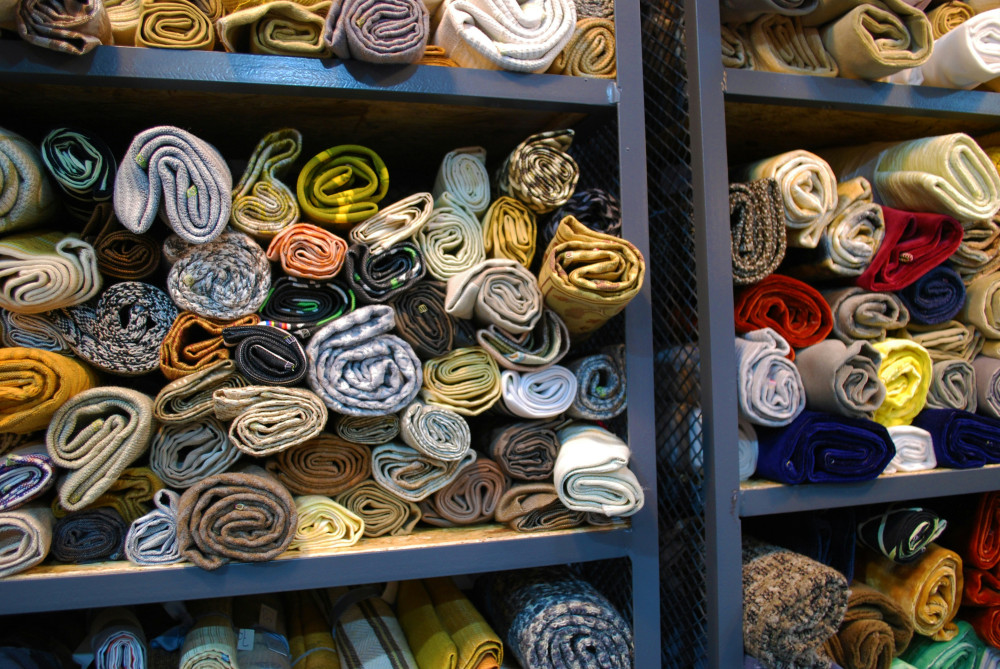
Materials and textures bring depth. In fashion, they can distinguish between a soft, organic look and a structured, modern one. In interior design, they define the relationship between wood, metal, and textiles—something especially relevant in Canadian homes, where natural materials often play a key role.
A good rule of thumb is to focus on a few recurring elements. Repetition builds recognition and cohesion in your design.
From Mood Board to Design Concept
Once your mood board feels right, translate it into a concrete design concept. This means defining the principles that will guide your work: colour palette, materials, form, function, and overall mood.
Think of your design concept as a story—it should have a clear idea but also room to evolve. Use your mood board as a reference throughout the process, adjusting it as needed. The key is to maintain a consistent visual and emotional thread.
Share and Use Your Mood Board Actively
A mood board isn’t just an internal tool—it’s also a powerful way to communicate your ideas. When you present it to clients, colleagues, or collaborators, it helps them instantly understand your vision. Visual language often speaks louder than words.
Keep your mood board visible in your workspace or as a digital background. Seeing it daily reinforces your creative direction and keeps you inspired.
A Tool for Both Beginners and Professionals
Whether you’re new to design or a seasoned professional, mood boards are indispensable. They help you think visually, experiment freely, and create coherence across your projects. Most importantly, they make the design process more engaging and enjoyable.
So next time you’re facing a vague idea or creative block, start with a mood board. It might just be the key to turning inspiration into a clear, cohesive design concept.
Læs også: