Play, Physical Activity, and Well-Being: How Exercise Promotes Children’s Mental and Social Health

Play, Physical Activity, and Well-Being: How Exercise Promotes Children’s Mental and Social Health
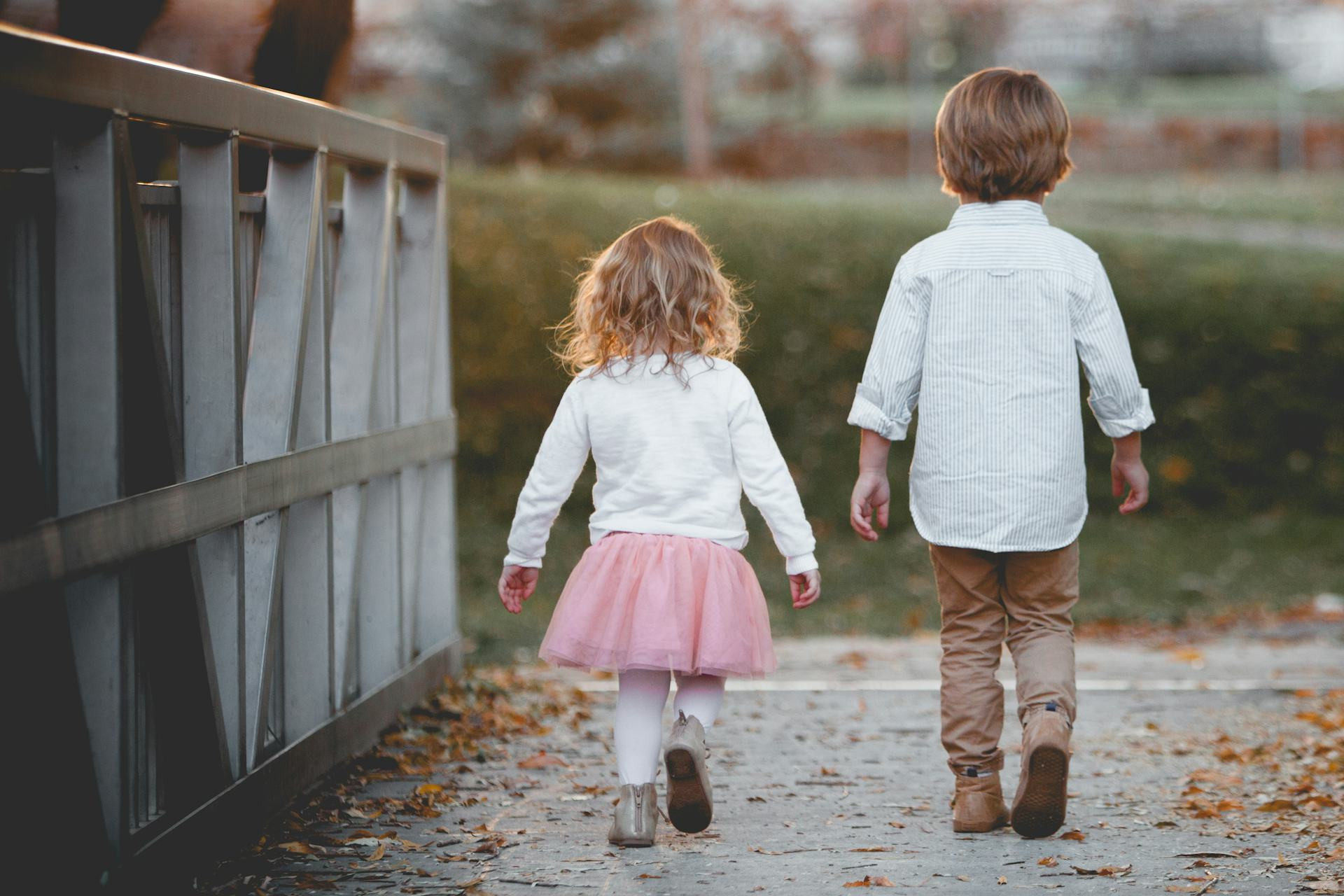
When children run, climb, skate, or play tag, they are doing far more than just moving their bodies. Physical activity is a cornerstone of childhood — not only for building strength and coordination but also for supporting mental health, learning, and social development. In a time when many kids spend increasing hours in front of screens, understanding how play and movement contribute to well-being is more important than ever.
Play as the Foundation for Learning and Growth
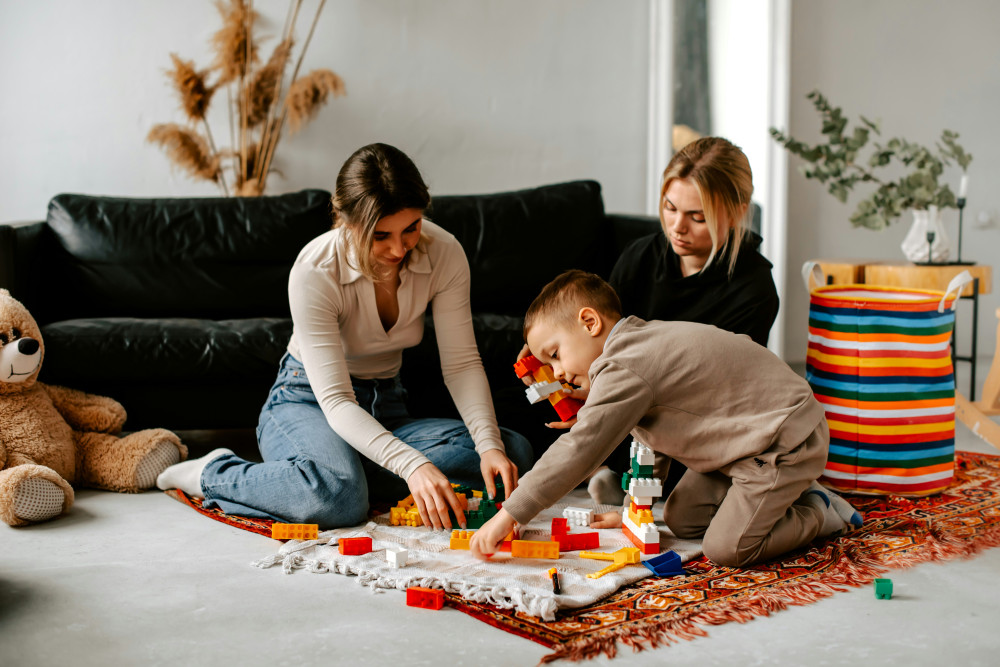
Play is how children make sense of the world. Whether they are building forts, playing hockey in the driveway, or exploring a park, they are developing creativity, problem-solving skills, and cooperation. Research from Canadian child development experts shows that unstructured play helps children improve focus, imagination, and resilience.
Movement also fuels the brain. When kids are active, blood flow increases, and the brain releases chemicals that enhance memory and attention. This means that children who move regularly often find it easier to learn — both in the classroom and in everyday life.
Læs også:
Physical Activity and Mental Health
Exercise has a proven positive impact on children’s mental health. When kids are active, their bodies release endorphins and dopamine — natural mood boosters that help reduce stress and anxiety. Regular movement can help children manage emotions, sleep better, and feel calmer in their daily routines.
Physical activity also builds confidence. Learning to ride a bike, mastering a new dance move, or scoring a goal gives children a sense of accomplishment. These experiences strengthen self-esteem and help them believe in their own abilities — an essential foundation for lifelong well-being.
Movement as a Social Connector
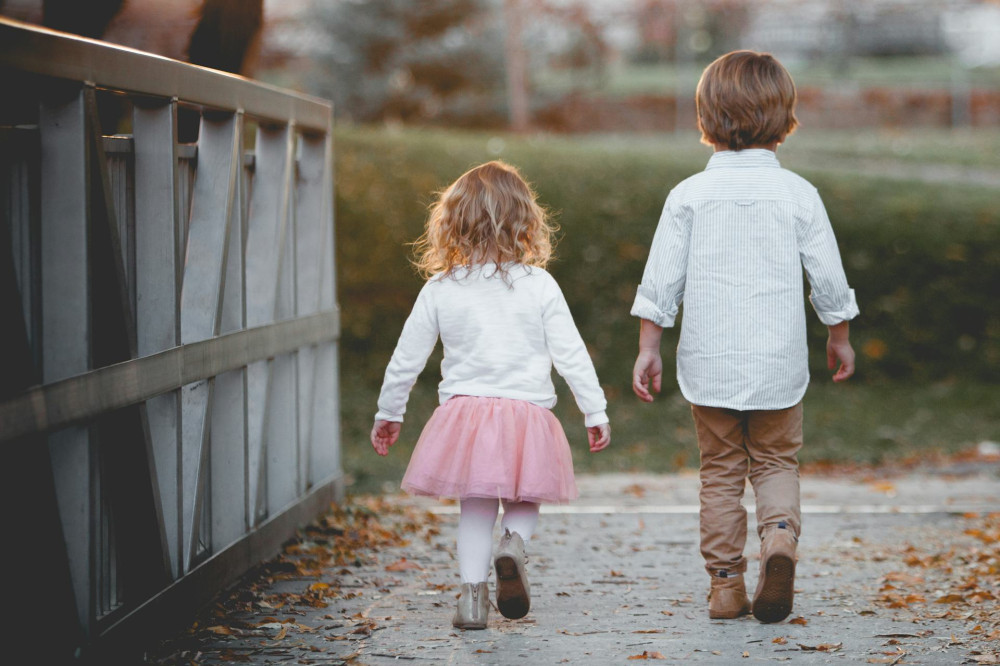
Play and physical activity are powerful tools for building friendships and community. On the playground, in gym class, or on the soccer field, children learn to cooperate, share, and resolve conflicts. They experience both the joy of teamwork and the challenge of compromise.
Inclusive play opportunities — from community recreation programs to school sports — help children connect across backgrounds and personalities. Through shared movement, kids practice empathy, communication, and respect, skills that extend far beyond childhood.
How Parents, Schools, and Communities Can Support Active Kids
Encouraging children to move isn’t just about organized sports. It’s about creating environments where physical activity is a natural and enjoyable part of daily life.
- Make movement fun – Choose activities that match your child’s interests. The goal is enjoyment, not performance.
- Encourage free play – Give children time and space to play without constant direction. It fosters independence and creativity.
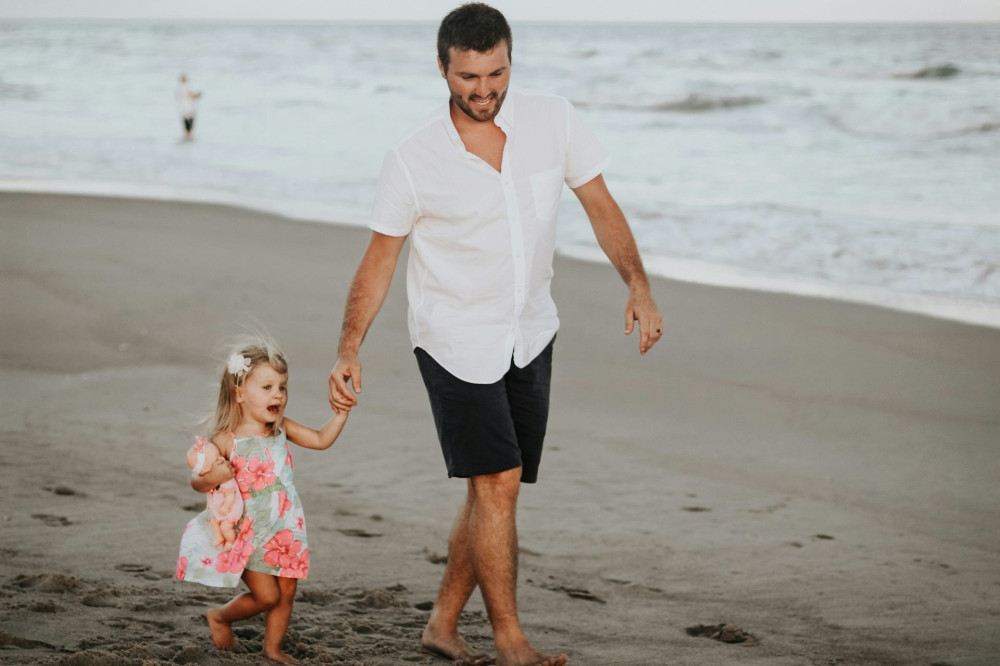
- Be a role model – Children mirror adult behaviour. When parents walk, bike, or play together, kids are more likely to stay active.
- Integrate movement into learning – Short activity breaks or lessons that involve movement can boost focus and engagement in school.
- Support community access – Local parks, trails, and recreation centres are vital spaces for active play. Ensuring they are safe and accessible benefits all families.
Investing in the Future of Well-Being
Supporting children’s physical activity is an investment in their future — physically, mentally, and socially. Play and movement bring joy, strengthen relationships, and equip children with the tools to handle life’s challenges.
By prioritizing active play in schools, families, and communities across Canada, we are not only raising healthier children — we are nurturing confident, curious, and resilient individuals ready to thrive in the world.
Læs også: