The Rebellion of Rock: When the Sound of Youth Became a Global Cultural Force

The Rebellion of Rock: When the Sound of Youth Became a Global Cultural Force
When the first electric guitars began to roar through radios in the 1950s, it wasn’t just a new musical style that was born—it was a cultural revolution. Rock music became the language of youth, a rebellion against the values of the older generation, and a driving force for social change. From small-town garages to massive stadiums, rock became a symbol of freedom, individuality, and community.
From Blues Roots to an Electric Revolution
Rock’s story begins in the meeting of African American blues, rhythm and blues, and country music. In postwar North America, a new generation grew up with the radio as their window to the world. They heard music that was raw, rhythmic, and honest—music that spoke to their own experiences. When artists like Chuck Berry, Little Richard, and Elvis Presley electrified the blues, they created a sound that was both familiar and revolutionary.
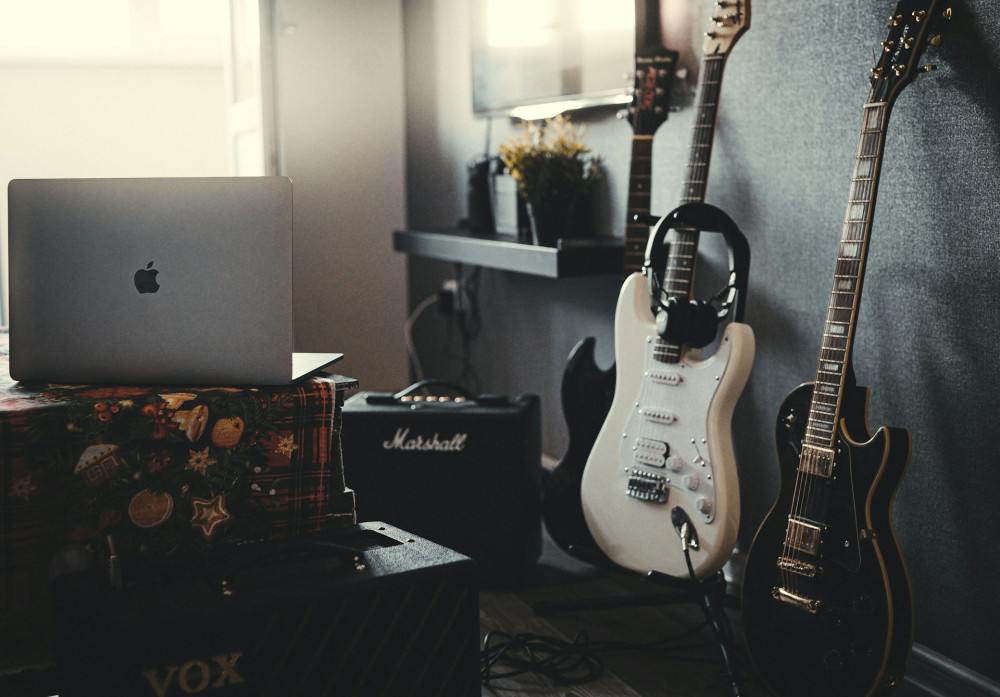
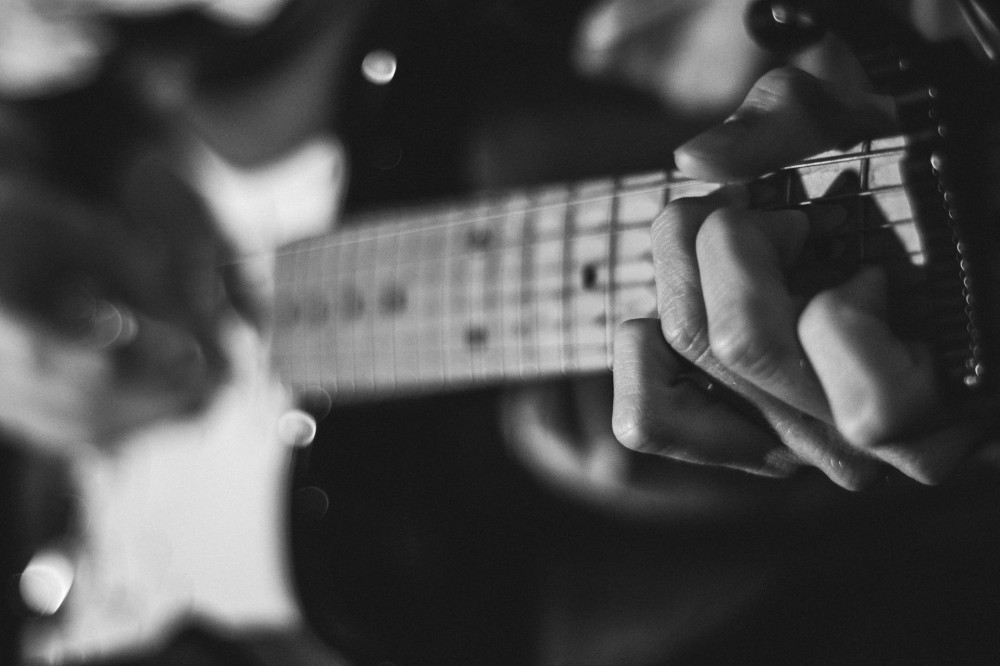
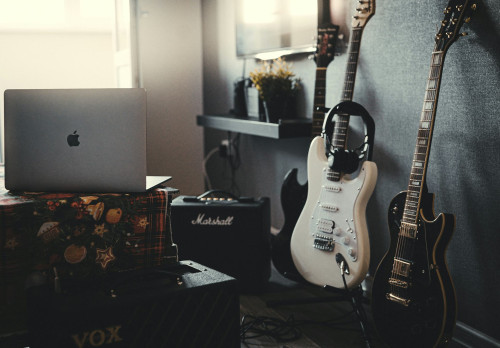
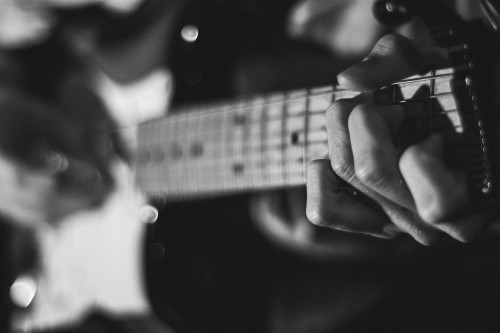
The electric guitar became rock’s most powerful symbol. It could scream, hum, and sing—it gave young musicians a tool to express themselves on their own terms. The songs were simple, but the energy was explosive.
The 1960s: Rebellion, Idealism, and a Global Sound
In the 1960s, rock exploded as a cultural force. The British Invasion brought new sounds and attitudes across the Atlantic, while North American artists like Bob Dylan, The Band, and Jimi Hendrix used music to challenge social norms. Rock became the voice of a generation demanding change—against war, racism, and authority.
Festivals like Woodstock in 1969 became symbols of unity and freedom. Hundreds of thousands gathered to celebrate music, love, and idealism. Rock was no longer just entertainment—it had become a movement.
The 1970s and 1980s: From Rebellion to Mainstream
After the idealism of the 1960s, rock diversified. Some bands embraced the epic and experimental—like Pink Floyd and Led Zeppelin—while others returned to raw simplicity. The punk movement of the late 1970s reignited the spirit of rebellion with three chords and a do-it-yourself attitude.
In the 1980s, rock became a global industry. Music videos, stadium tours, and new technologies turned artists like U2, Queen, and Bruce Springsteen into worldwide icons. At the same time, subgenres like heavy metal and alternative rock kept the rebellious flame alive, reminding listeners that rock was still about authenticity and resistance.
Læs også:
Rock’s Legacy in Canada
Canada played its own vital role in shaping rock’s global story. From The Guess Who’s prairie-born anthems to Neil Young’s poetic protest songs, Canadian artists gave rock a distinctly northern voice—one that blended introspection with defiance. Later, bands like Rush, The Tragically Hip, and Arcade Fire carried that legacy forward, proving that rock could be both deeply local and universally resonant.
Across the country, from Toronto’s Queen Street clubs to Vancouver’s indie scenes, rock became a space for young Canadians to define themselves and their place in the world. It was a soundtrack for open roads, small-town dreams, and the search for identity in a vast landscape.
The Spirit Lives On
Though rock no longer dominates the charts, its spirit endures. It has influenced everything from hip-hop to electronic music, and its symbols—rebellion, authenticity, and freedom—still shape popular culture. New generations continue to pick up guitars, form bands, and chase the same dream: to make something real.
Rock taught the world that music can be more than sound—it can be a language of change. It showed that the voice of youth can shake power, and that a song can become a manifesto for an entire generation.
A Sound That Never Fades
The story of rock is the story of how a musical form became a global cultural force. It began as rebellion but became part of our shared identity. Whether heard on vinyl, streaming, or live in a small club, rock still carries the same spark—the belief that music can change the world, one chord at a time.
Læs også: