One Vacation – Many Dives: Combine Wreck, Reef, and Night Dives

One Vacation – Many Dives: Combine Wreck, Reef, and Night Dives
For many Canadian divers, the perfect getaway is one that offers variety beneath the surface – from haunting shipwrecks to vibrant coral gardens and the mysterious world that awakens after dark. Combining different types of dives on a single vacation not only adds excitement but also deepens your appreciation of the ocean’s diversity. Here’s how to plan a dive trip that blends adventure, tranquility, and discovery.
Wreck Dives – Exploring History Beneath the Waves
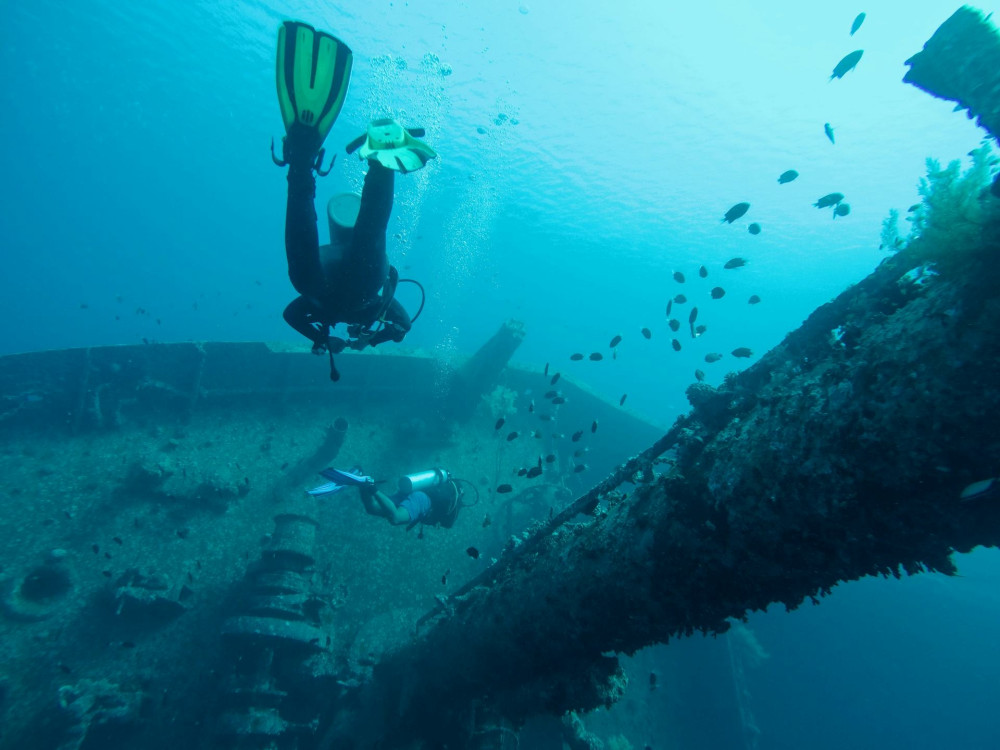
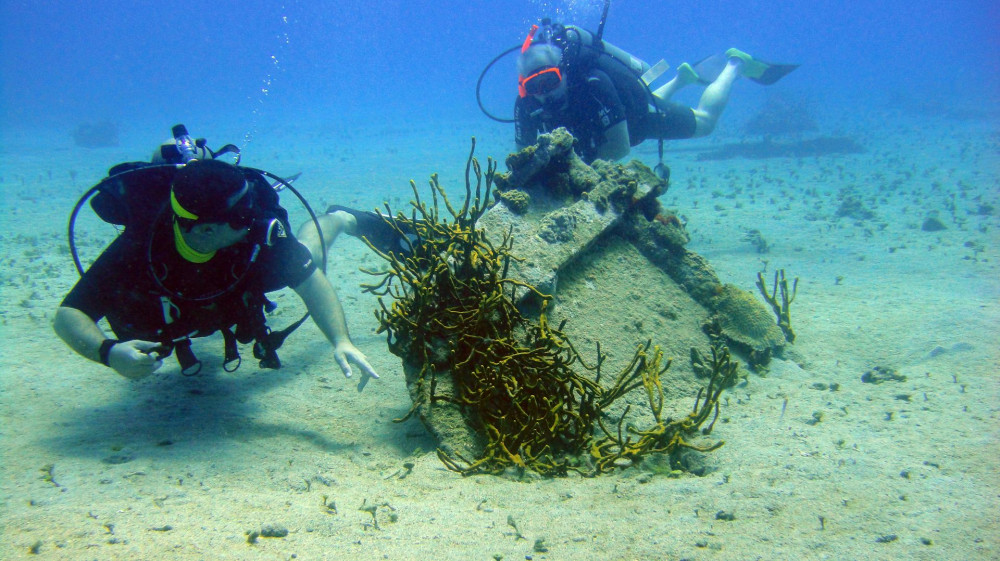
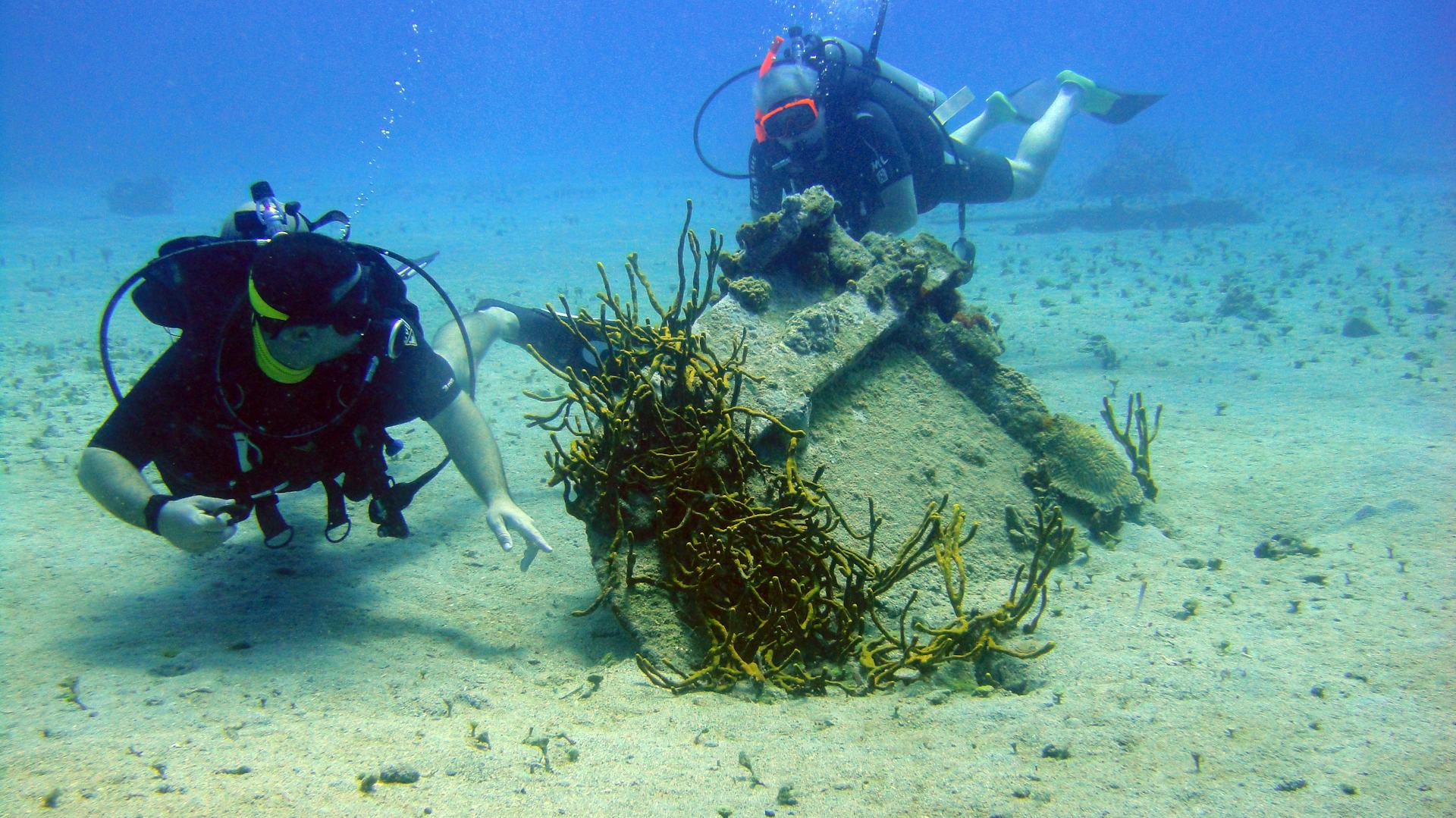
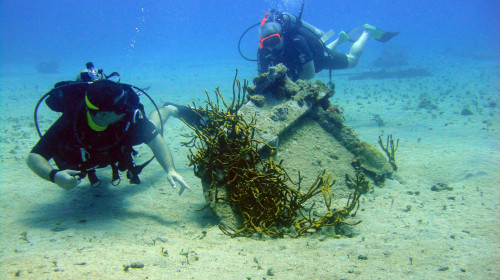
A wreck dive is like stepping into a living museum. Ships, planes, and even old vehicles rest on the seabed, slowly being reclaimed by marine life. Each wreck tells a story – of human endeavor, tragedy, and nature’s resilience.
- Tobermory, Ontario, known as the “Shipwreck Capital of Canada,” offers crystal-clear freshwater dives among 19th-century schooners in Fathom Five National Marine Park.
- Nova Scotia’s coast hides fascinating wrecks from the age of steamships, accessible to recreational divers.
- For those seeking warmer waters, the Caribbean – from the Bahamas to the Cayman Islands – features world-class wrecks like the USS Kittiwake and the Bianca C.
Before planning a wreck dive, consider your experience level. Some wrecks are shallow and easy to navigate, while others require advanced training for penetration dives. Even exploring the exterior can be thrilling, as fish and corals transform these relics into thriving ecosystems.
Reef Dives – Colour, Calm, and Life
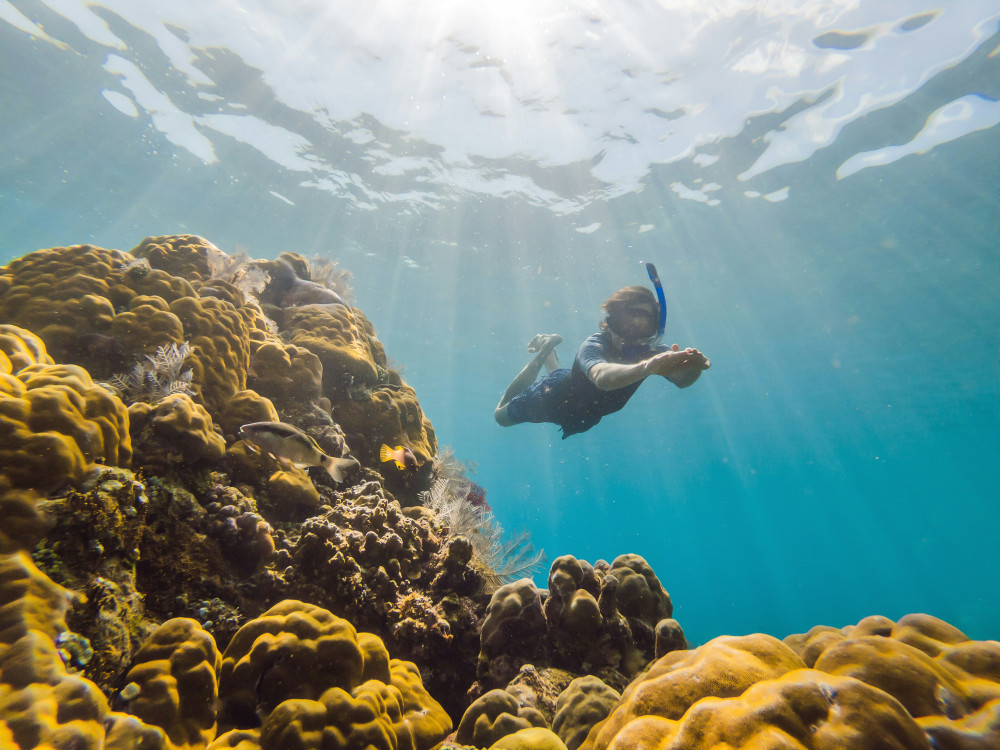
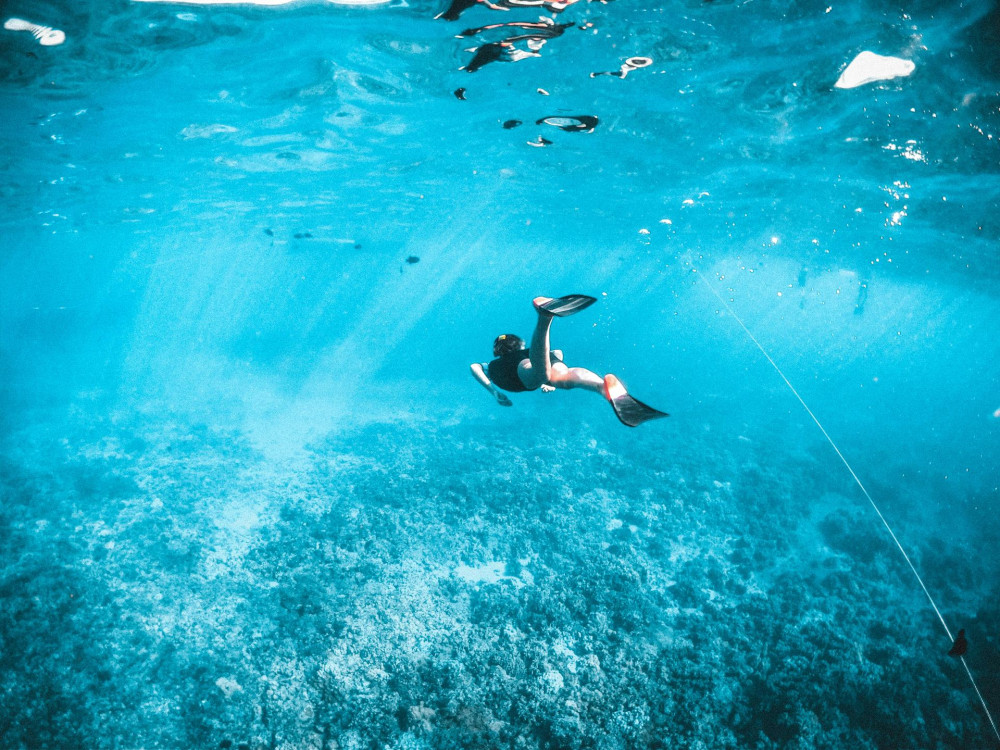
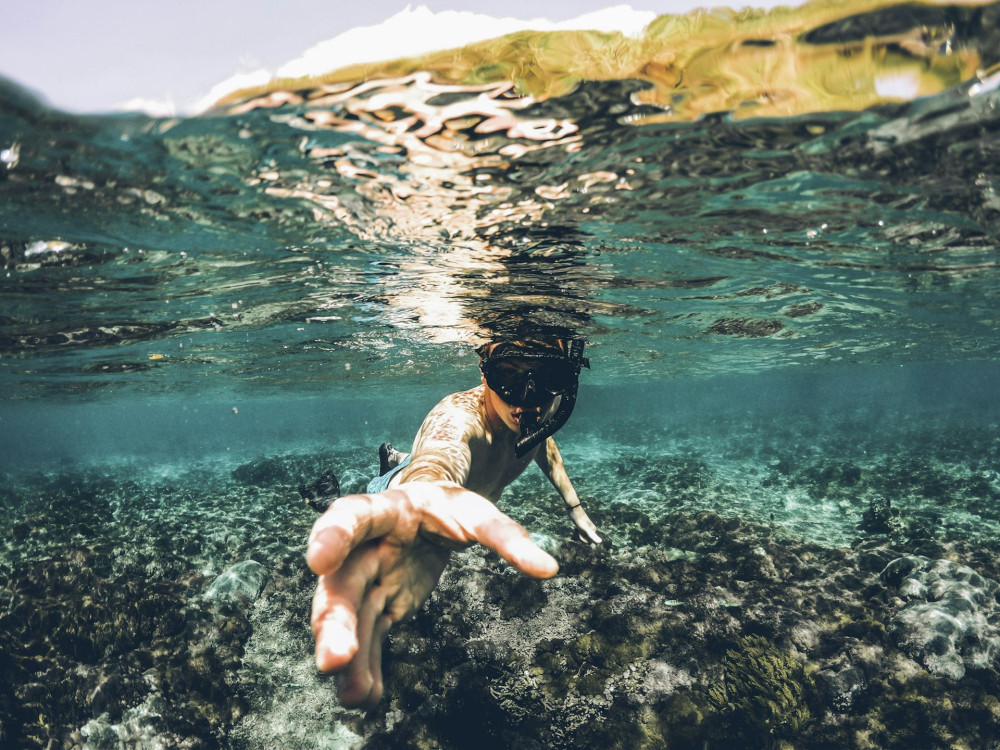
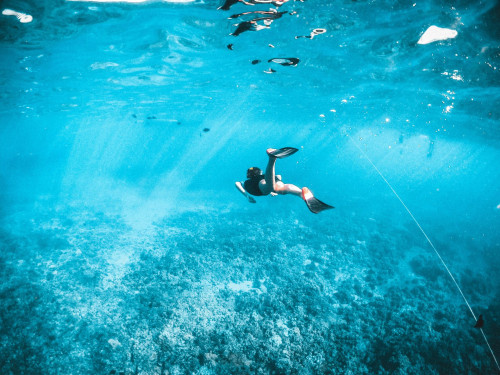
After the drama of a wreck dive, a reef dive offers serenity and colour. Floating above coral gardens, you’ll encounter everything from tiny shrimp to graceful rays. Reef dives are often shallow, making them ideal for all skill levels.
- Belize’s Barrier Reef and Bonaire’s Marine Park are favourites among Canadians for their clear water and abundant marine life.
- Cozumel, Mexico, offers drift dives along spectacular walls teeming with sponges and tropical fish.
- Closer to home, British Columbia’s cold-water reefs reveal a different kind of beauty – giant plumose anemones, rockfish, and kelp forests swaying in the current.
Take your time and move slowly. The more patient you are, the more life you’ll notice. Many divers find reef dives meditative – a chance to simply breathe, hover, and feel part of the ocean’s rhythm.
Night Dives – When the Ocean Comes Alive
When the sun sets, the underwater world transforms. Creatures that hide by day emerge to hunt, and familiar sites take on an entirely new atmosphere. A night dive is an unforgettable experience, where your flashlight reveals hidden details and unexpected encounters.
You might spot octopuses gliding across the sand, lobsters on the move, or corals blooming under the beam of your light. In tropical waters, bioluminescent plankton can sparkle like stars as you move your hands through the dark.
To make the most of a night dive:
- Choose a site you’ve already explored during the day.
- Use clear light signals to communicate with your buddy.
- Stay calm and enjoy the silence – it’s a world of its own.
Night dives don’t require advanced certification, but good buoyancy control and familiarity with your gear will make the experience smoother and safer.
Planning Your Combined Dive Vacation
Combining wreck, reef, and night dives takes a bit of planning, but many destinations make it easy. The Caribbean, Hawaii, and the Pacific coast of Mexico all offer dive operators who can arrange a varied itinerary. You might start with a few relaxed reef dives, move on to a day of wreck exploration, and finish your trip with a magical night dive.
If you prefer to stay in Canada, consider a summer road trip to Tobermory or Vancouver Island, where you can mix wrecks, reefs, and even twilight dives in cold but clear waters. Wherever you go, remember to rest between dives, stay hydrated, and give your body time to recover.
Læs også:

Gear and Safety
Most dive centres provide rental equipment, but bringing your own mask, fins, and dive computer can make a big difference in comfort. For night dives, a reliable primary light and a backup are essential.
Safety should always come first. Never dive alone, follow local briefings, and respect depth limits. If you plan deeper or technical dives, ensure you have the proper training and certification.
A Vacation Full of Contrast
The magic of combining different types of dives lies in the contrast. One moment you’re gliding through a silent shipwreck, the next you’re drifting over a coral reef alive with colour, and by night you’re surrounded by glowing plankton and nocturnal creatures. It’s a vacation where every dive feels new – and where you return home with both adventure and peace of mind.
Whether you’re a beginner or a seasoned diver, variety is what keeps diving endlessly fascinating. The ocean has many faces – and on one well-planned vacation, you can experience several of them.
Læs også: