Special Suits in the Deep: Professional Divers’ Equipment and Use

Special Suits in the Deep: Professional Divers’ Equipment and Use
When humans descend beneath the ocean’s surface, they enter an environment where pressure, temperature, and lack of oxygen push the body to its limits. In such conditions, success depends not only on skill and training but also on the right equipment. Professional divers—whether they work in underwater construction, rescue operations, or scientific research—rely on specialized suits that protect them from cold, pressure, and contamination. This article explores how these suits function and how they are used in practice, with a focus on Canadian diving conditions.
From Wetsuits to Atmospheric Suits – Different Types for Different Depths
No single suit fits every purpose. The choice depends on depth, water temperature, and the nature of the task.
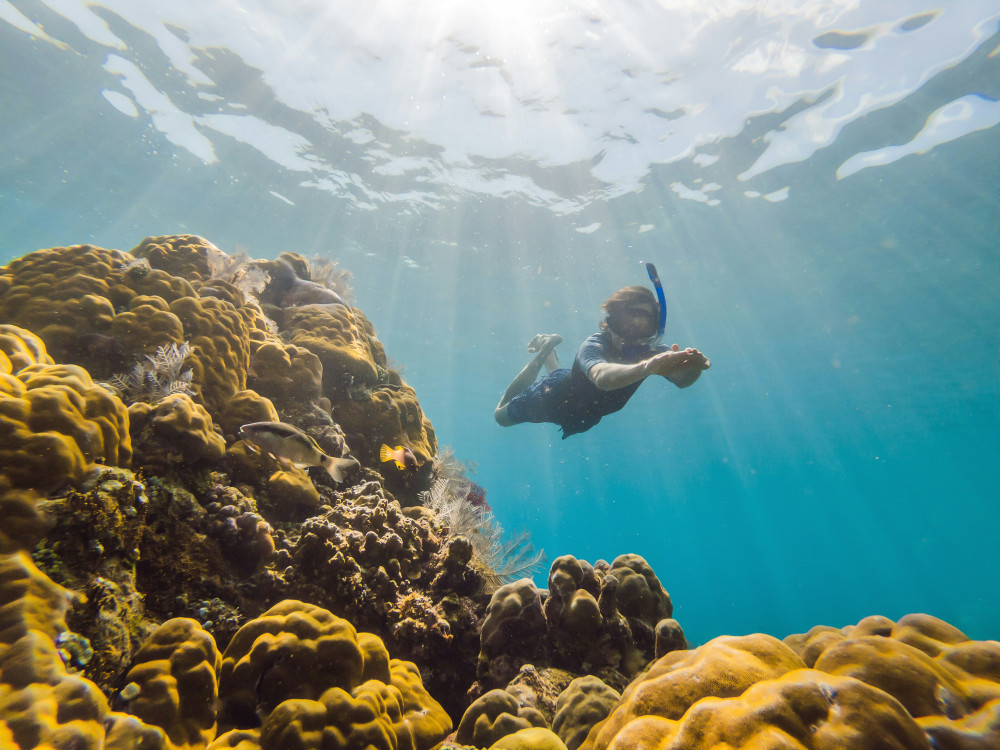
- Wetsuits are the most familiar type, commonly used for recreational diving in temperate waters such as those off British Columbia. Made of neoprene, they trap a thin layer of water between the suit and the skin, which the body warms up to provide insulation.
- Drysuits are essential in colder environments, such as the Atlantic off Newfoundland or the Arctic waters of Nunavut. They keep the diver completely dry using watertight seals and zippers, with thermal undergarments worn underneath for warmth.
- Atmospheric diving suits (ADS) are the most advanced. Used for extreme depths where water pressure would crush an unprotected diver, these rigid suits maintain internal pressure equal to that at the surface. They function like miniature submarines, allowing divers to work safely hundreds of metres below.
Each type of suit has its advantages and limitations, and professional dive teams select equipment based on safety standards and mission requirements.
Materials Built to Withstand the Ocean
Modern diving suits are the result of decades of innovation. While neoprene and rubber remain common, professional suits often use advanced laminates and composites for durability and flexibility.
Commercial drysuits are frequently made from trilaminate fabric, a three-layer material that combines strength, waterproofing, and ease of movement. Seams are welded or glued to prevent leaks, and zippers are pressure-sealed using metal or reinforced plastic systems.
In contaminated or industrial environments—such as underwater welding near oil platforms or maintenance in polluted harbours—divers wear chemical-resistant suits. These provide protection against hazardous substances and can be thoroughly decontaminated after use.
Life Support and Communication Underwater
A professional diving suit is part of a larger life-support system. In surface-supplied diving, air is delivered through an umbilical hose from the surface, which also carries communication lines and sometimes hot-water hoses for heating.
Communication is vital. Built-in microphones and speakers in the helmet allow divers to talk with surface teams, receive instructions, and report on conditions below. At the same time, oxygen levels, pressure, and temperature are continuously monitored.
In Canada’s cold waters, heated suits or hot-water systems are often used. Warm water circulates through tubes inside the suit, preventing hypothermia during long dives in near-freezing conditions.
Safety and Maintenance
Safety depends not only on the suit’s design but also on how it is maintained. Professional dive teams perform thorough pre-dive checks: testing seals, valves, and zippers, and ensuring all connections are secure.
After each dive, suits are rinsed in fresh water to remove salt and debris, then dried carefully to prevent mould and material degradation. Drysuits and helmets undergo regular servicing, where seals and valves are replaced as needed.
Even minor defects can have serious consequences underwater, so maintenance is treated as an essential part of the diver’s job—just as important as the dive itself.
The Future of Diving Suits
Technology continues to evolve. New materials such as graphene-infused fabrics and smart textiles are being developed to regulate temperature, monitor vital signs, and transmit data in real time. Engineers are also working on lighter, more flexible atmospheric suits that can reach greater depths with improved mobility.
Robotics and remotely operated vehicles (ROVs) are taking on more underwater tasks, especially in hazardous environments. Yet human divers remain indispensable when precision, judgment, and adaptability are required.
Læs også:


The Human Element
Despite the sophistication of modern equipment, it is still the person inside the suit who makes the difference. Professional divers combine technical expertise with physical endurance and calm under pressure. They operate in an environment where mistakes are unforgiving, and teamwork and trust are essential.
Specialized diving suits make it possible to explore, build, and repair in a world where humans were never meant to survive. They stand as a testament to human ingenuity—and to our enduring fascination with the mysteries of the deep.
Læs også: