Avoid Costly Surprises: Plan Your Hunting Trip Carefully

Avoid Costly Surprises: Plan Your Hunting Trip Carefully
A hunting trip can be the adventure of a lifetime—whether you dream of tracking moose in Newfoundland, elk in the Rockies, or caribou in the North. But without careful planning, that dream can quickly turn into an expensive and frustrating experience. From licenses and logistics to gear and insurance, there are many details to get right. Here’s how to plan your hunting trip so you can focus on the experience, not the unexpected costs.
Choose Your Destination Wisely
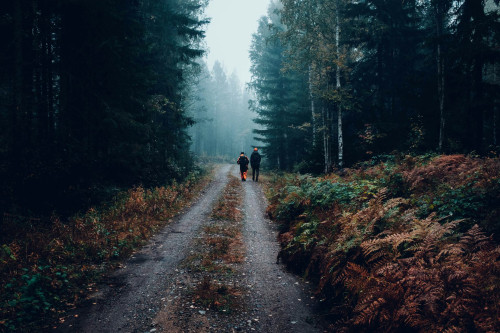
Before you book, think about what kind of hunt you want. Are you after a challenging backcountry expedition, a guided lodge experience, or a quiet weekend in the woods? Canada offers a wide range of hunting opportunities, but each province and territory has its own rules, seasons, and costs.
- Western Canada: British Columbia and Alberta are known for big game like elk, moose, and mountain goat. Expect rugged terrain and higher costs for guided hunts.
- Central Canada: Manitoba and Saskatchewan offer excellent whitetail deer and waterfowl hunting, often with easier access and more moderate prices.
- Atlantic Canada: Newfoundland and Labrador are famous for moose and black bear hunts, often combined with scenic wilderness lodges.
- Northern Canada: The Yukon and Northwest Territories offer once-in-a-lifetime hunts for Dall sheep and caribou—but these require serious preparation and budgeting.
Always check local hunting regulations, tag availability, and whether you need to hire a licensed guide (mandatory for non-residents in many provinces).
Budget Beyond the Trip Price
Many hunters focus on the cost of the hunt itself but forget about the extras that can add up quickly. Make sure you understand what’s included in your package and what’s not.
Common additional expenses include:
- License and tag fees (which vary by species and province)
- Travel and baggage costs, especially for firearms
- Meat processing, taxidermy, and shipping
- Tips for guides and camp staff
- Extra days due to weather delays or travel disruptions
Build a realistic budget and include a buffer for unexpected costs. It’s better to come home with money left over than a bill you didn’t anticipate.
Paperwork and Permits
Paperwork may not be exciting, but it’s essential. Missing a document can ruin your trip before it begins.
Make sure you have:
- Hunting licenses and tags: Apply early—some draws close months in advance.
- Firearms documentation: Non-residents must declare firearms at the border and may need a temporary import permit.
- Travel insurance and liability coverage: Confirm that your policy covers hunting activities.
- Export permits: If you plan to bring trophies or meat across borders, check CITES and customs requirements.
If you’re booking through an outfitter, they can often help with the paperwork—but ultimately, the responsibility is yours.
Gear and Preparation
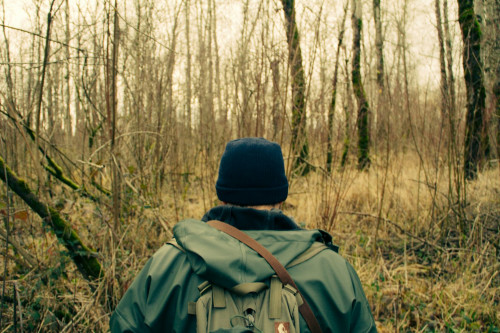
The right gear can make or break your hunt. Canada’s weather and terrain can be unpredictable, so plan for all conditions.
- Clothing: Dress in layers and choose moisture-wicking, weatherproof materials.
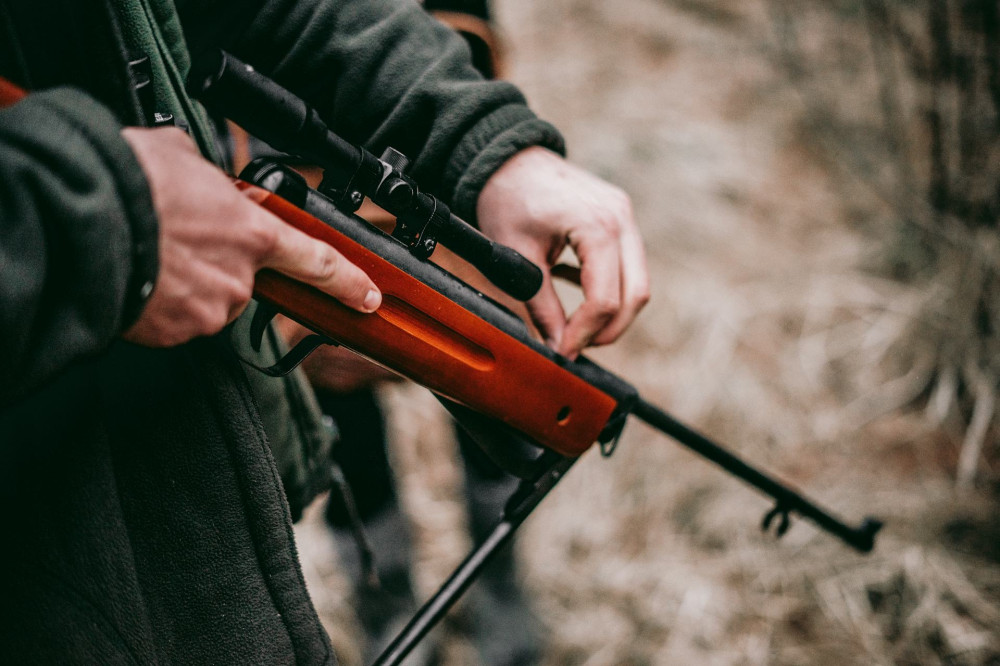
- Optics: A quality scope and binoculars are essential for spotting game at long distances.
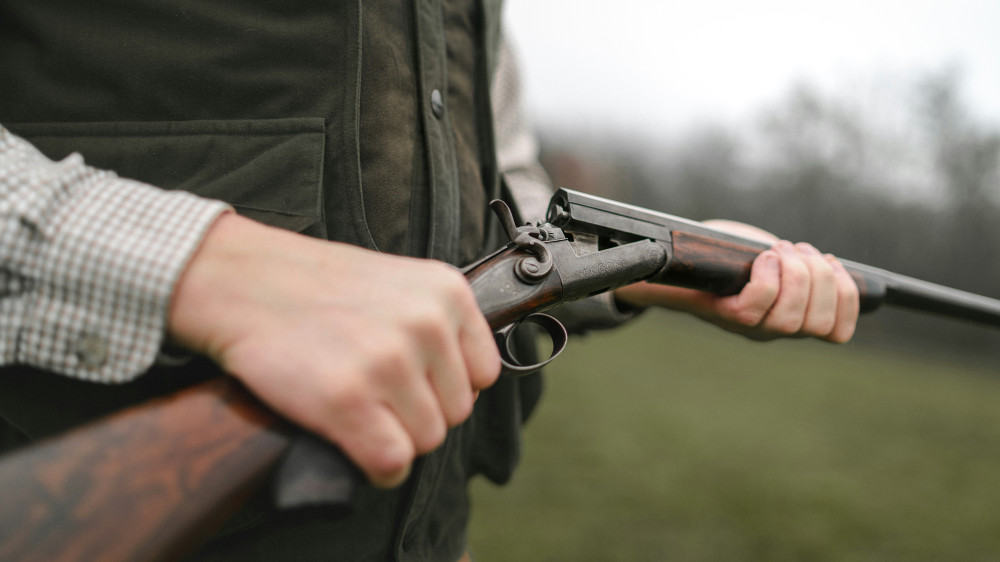
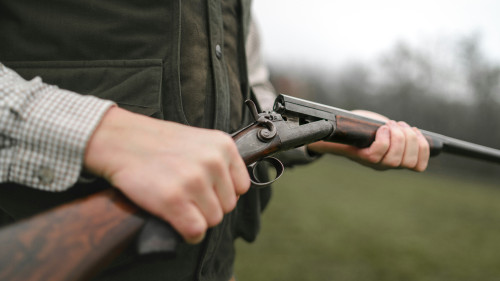
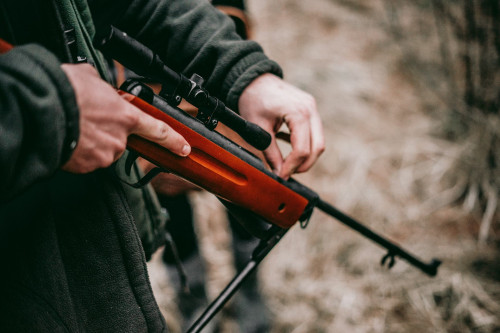
- Firearms and ammunition: Make sure your rifle and ammo are suited to the species you’re hunting—and that you’ve practiced with them.
- Footwear: Invest in durable, waterproof boots that are broken in before your trip.
Physical preparation is just as important. Many hunts involve hiking in steep or remote areas, so build your stamina and shooting confidence before you go.
Insurance and Safety
Hunting in remote areas carries risks—from travel delays to injuries. Make sure you’re properly insured and prepared.
Consider:
- Travel and cancellation insurance in case of weather or illness
- Specialized hunting insurance that covers firearms, gear, and liability
- Medical coverage that applies in the province or country you’re visiting
Always share your itinerary with family or friends, and carry a satellite communicator or GPS device if you’ll be out of cell range.
Choose a Reliable Outfitter
A reputable outfitter can make your trip smoother and safer. Look for one with strong reviews, proper licensing, and membership in recognized hunting associations. Ask detailed questions about what’s included, the guide-to-hunter ratio, and what happens if conditions change.
A good outfitter will help with logistics, permits, accommodations, and trophy handling—and will be there to support you if something goes wrong.
Læs også:
Enjoy the Experience—and Respect the Land
Once the planning is done, it’s time to enjoy the hunt. A successful trip isn’t just about the harvest—it’s about the landscapes, the people you meet, and the respect you show for wildlife and the environment.
Follow local regulations, practice ethical hunting, and leave the land as you found it. Whether you bring home a trophy or simply great memories, a well-planned hunting trip will reward you with stories and experiences that last a lifetime.
Læs også: