Train for Realistic Hunting Scenarios – How to Make the Most of the Shooting Range

Train for Realistic Hunting Scenarios – How to Make the Most of the Shooting Range
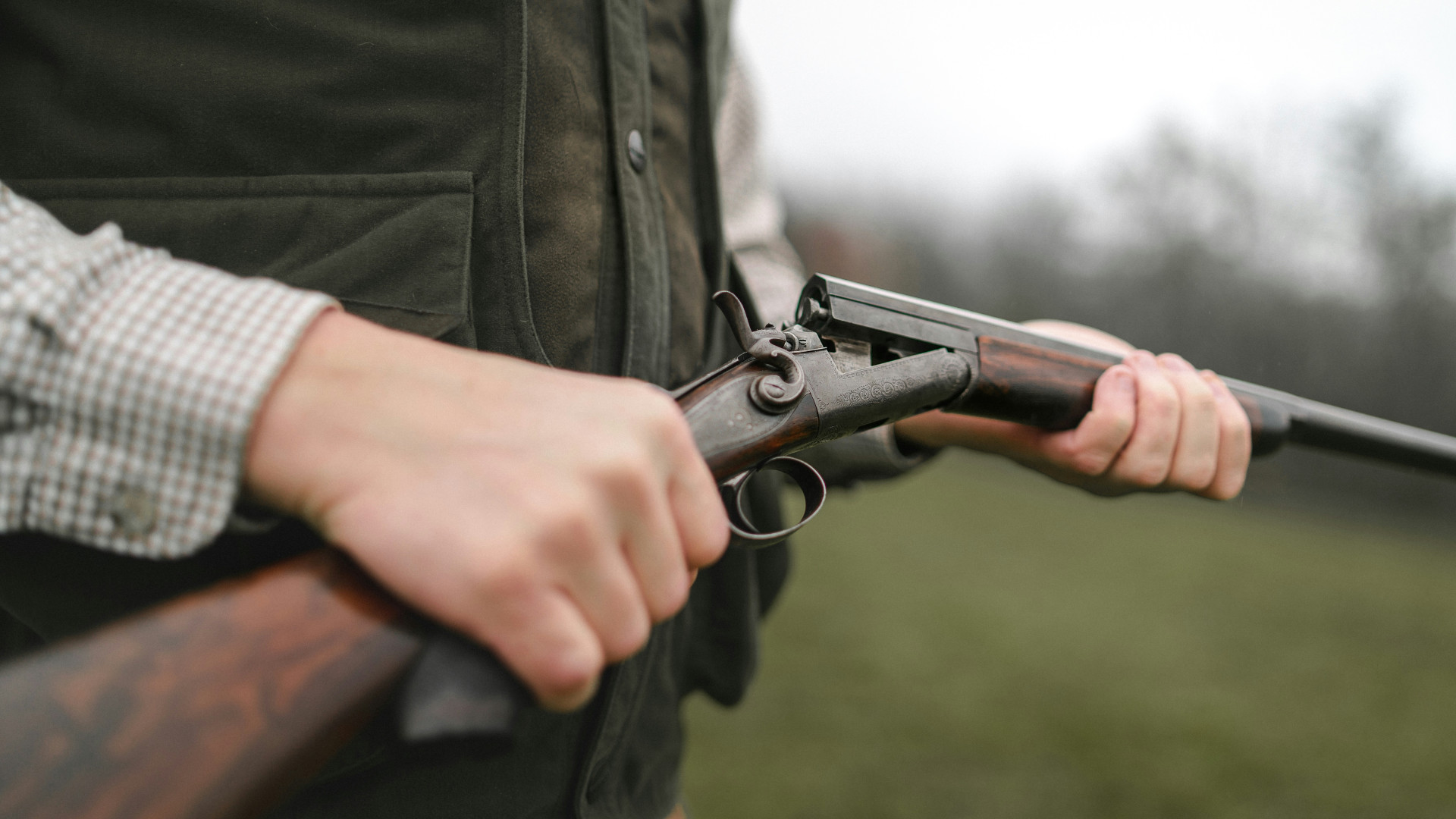
A successful hunt is built on preparation, not luck. Many Canadian hunters visit the shooting range to stay sharp, but too often the training becomes repetitive and predictable. To be ready for the challenges of the field—whether you’re hunting whitetail in Ontario, elk in Alberta, or waterfowl in the Prairies—you need to use the range as a place to simulate real hunting conditions. By focusing on technique, decision-making, and composure under pressure, you can turn every session into meaningful practice. Here’s how to make the most of your time at the range.
Make Your Training Reflect Real Hunting
No two hunting situations are the same. Terrain, distance, angles, and light conditions change constantly. Your training should mirror that reality.
- Vary your shooting positions – Practice standing, kneeling, and sitting shots. In the field, you rarely get a perfect stance.
- Use natural supports – Try shooting from a rest that mimics a tree trunk, backpack, or shooting sticks, just as you would in the bush.
- Train in different light – Early morning and late afternoon light can affect your sight picture. If your range allows, vary your training times to adapt to changing visibility.
By diversifying your practice, you’ll learn to respond naturally when faced with unpredictable conditions in the wild.
Læs også:
Focus on Movement and Timing
One of the hardest parts of hunting is judging movement—both your own and the animal’s. The range can help you refine this skill.
- Clay target shooting is excellent for improving reaction time and tracking. Try different trajectories and speeds to simulate birds flushing or crossing.
- Running target ranges or moving target systems let you practice smooth rifle swings and trigger control on moving game.
The more you train with motion, the better you’ll become at estimating distance, speed, and lead—skills that make the difference when adrenaline kicks in.
Practice Decision-Making and Ethics
Hunting isn’t just about hitting the target; it’s about knowing when not to shoot. The range is a safe place to build that judgment.
Create small mental scenarios: imagine a partially obscured deer or an uncertain background. Practice holding your fire when the shot isn’t safe or ethical. This habit strengthens your decision-making and ensures you act responsibly in the field.
Use the Range to Test Your Gear
The range is the ideal environment to get familiar with your equipment before the season starts.
- Test your ammunition – Different loads can produce different recoil and accuracy. Find what works best for your firearm and hunting style.
- Train with your optics – Whether you use a scope or red dot, practice acquiring targets quickly and consistently.
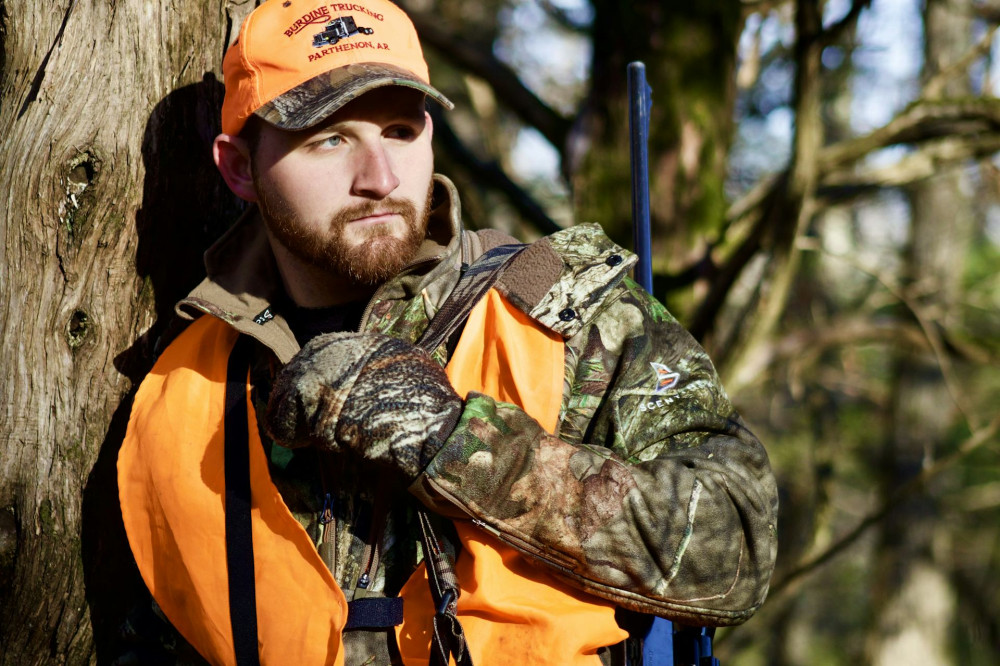
- Wear your hunting gear – Train in the same jacket or gloves you’ll use in the field to understand how they affect your movement and shoulder position.
Knowing your gear inside and out builds confidence and consistency when it matters most.
Add Structure and Goals to Your Training
To get the most out of your range time, set clear goals. Maybe you want to improve your accuracy at 200 yards, tighten your groupings, or get faster at mounting your shotgun.
Create short training routines that combine different exercises. This keeps your sessions engaging and productive. Consider bringing a friend or instructor—feedback and friendly competition can help you spot habits you might miss on your own.
From Range to Field
When you train realistically, the transition from range to hunt becomes seamless. You’ll know your limits, stay calm under pressure, and handle unexpected situations with confidence. That leads to more ethical, effective, and enjoyable hunts.
The shooting range isn’t just a place to punch holes in paper—it’s where you become a better hunter. With the right approach, every round you fire is an investment in precision, safety, and the satisfaction of a well-earned harvest.
Læs også: