Dawn and Dusk: Plan Your Hunting Styles Around the Day’s Rhythm

Dawn and Dusk: Plan Your Hunting Styles Around the Day’s Rhythm
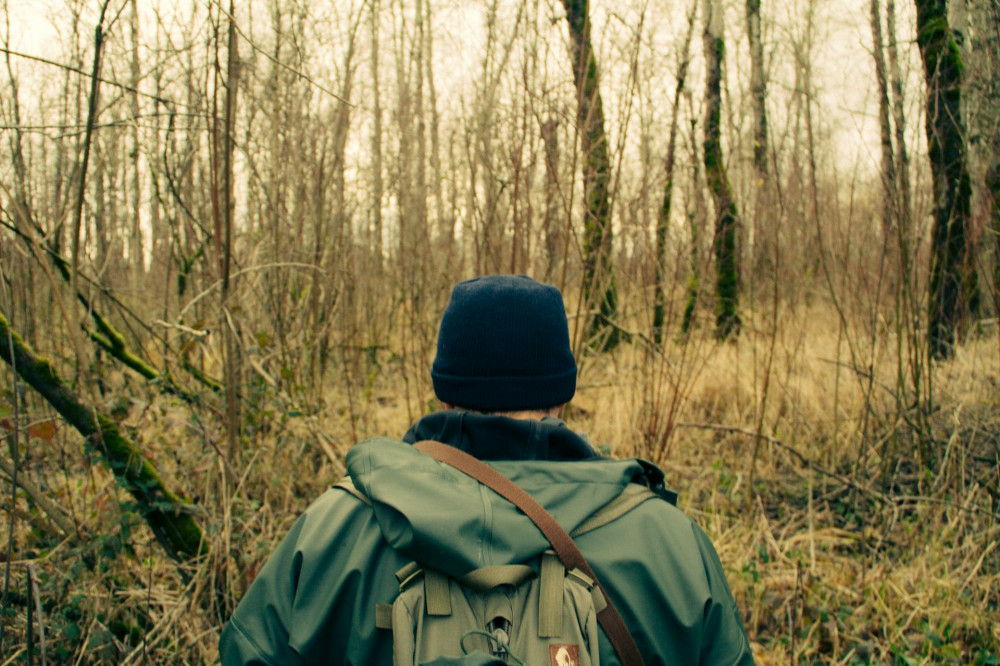
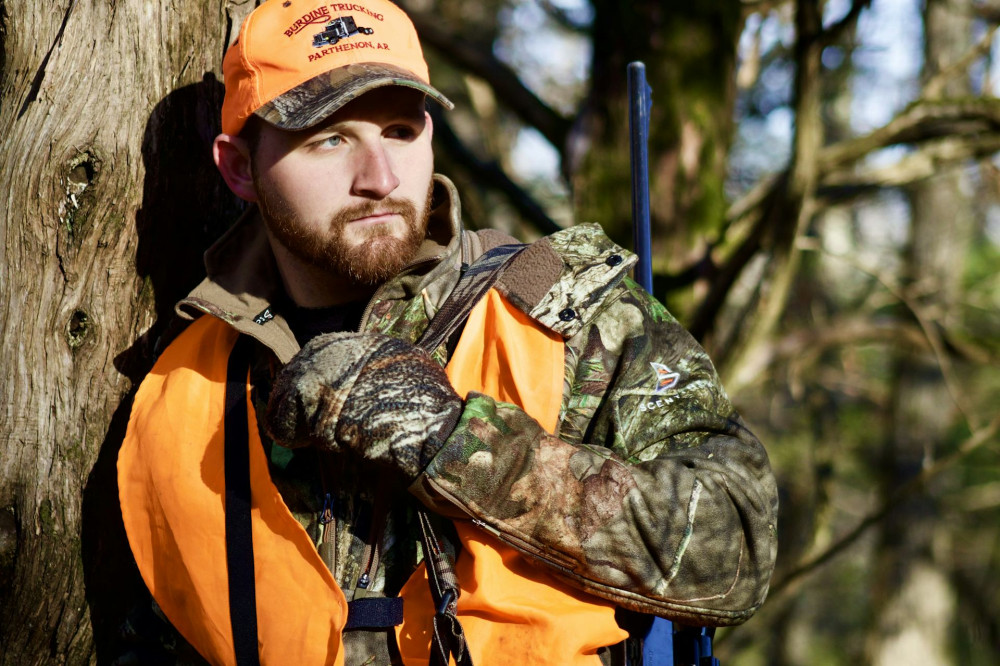
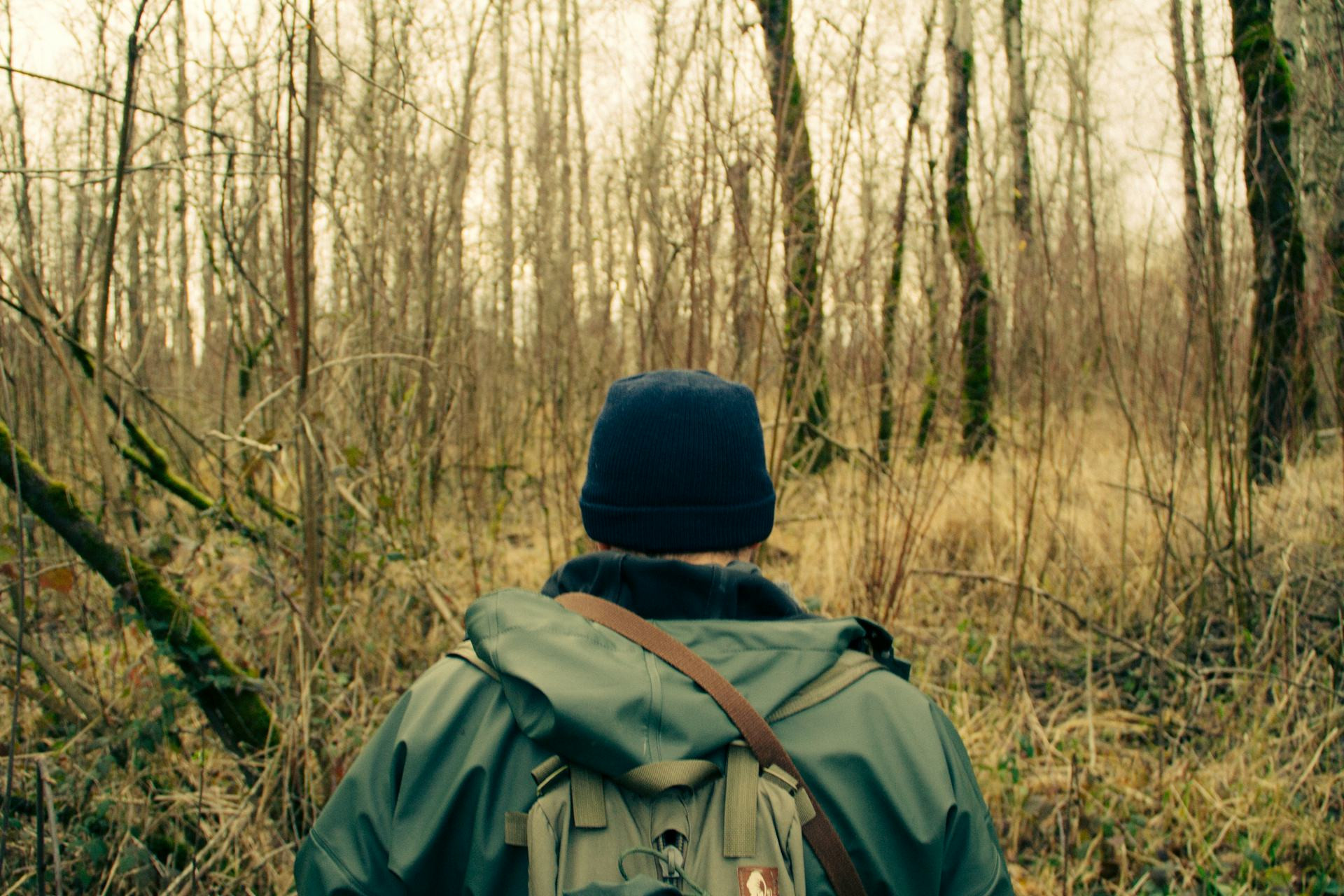
For many Canadian hunters, success in the field isn’t just about the season or the weather—it’s about timing. Wildlife follows its own daily rhythm, and by aligning your hunting approach with nature’s pace, you can increase your chances of success while deepening your connection to the outdoors. Dawn and dusk are the moments when the wilderness awakens and settles, offering some of the most rewarding experiences a hunter can have. Here’s how to plan your hunting styles around the rhythm of the day.
Dawn – When the Wild Comes Alive
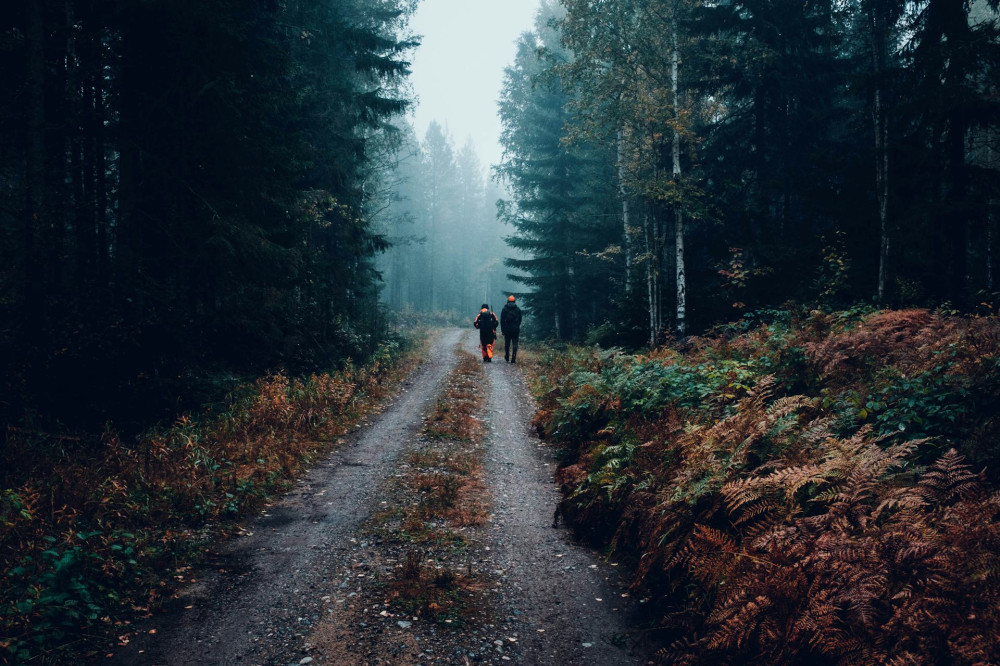
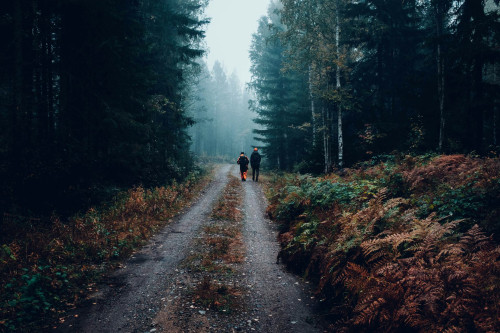
The early morning hours are often the most magical time to be outdoors. The air is crisp, the mist hangs low over the fields, and the first light reveals movement in the shadows. Many animals are most active at this time, feeding after the quiet of the night.
Deer and Waterfowl in the Morning Light
In much of Canada, white-tailed deer and mule deer move from their nighttime bedding areas to open feeding grounds at first light. A still-hunt or a patient sit in a well-chosen stand can be especially effective. Be in position before sunrise so you don’t spook the animals as they emerge from cover.
Waterfowl hunting also shines in the early hours. Ducks and geese lift off from lakes, rivers, and marshes to feed in nearby fields. Setting up along their flight paths or near feeding areas can lead to fast-paced action as the sky fills with wings.
Preparation and Patience
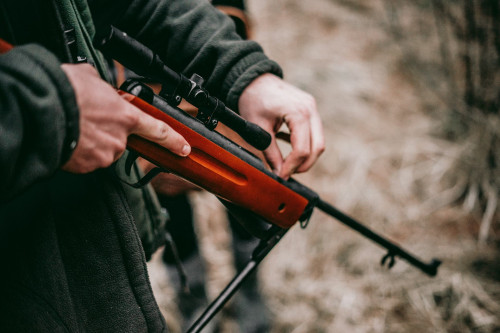
Morning hunts reward those who plan ahead. Check the wind direction carefully—your scent can give you away long before you see your quarry. Move quietly, stay alert, and blend into your surroundings. A thermos of hot coffee and a calm mindset are often as valuable as your rifle or shotgun.
Midday – When the Woods Rest
As the sun climbs higher and temperatures rise, most animals retreat to shaded or sheltered areas to rest. But that doesn’t mean the day is wasted for the hunter.
Time for Scouting and Maintenance
Use the quiet hours to scout new areas, check game trails, or study animal sign. Midday is also ideal for maintaining gear, sighting in your rifle, or preparing decoys and blinds for the evening hunt. Observing how animals move during the day can give you valuable insight for future outings.
Small Game and Upland Birds
Some hunting opportunities remain active through midday. Grouse, snowshoe hares, and other small game can be pursued in forested areas, especially where cover and food sources overlap. In agricultural regions, pigeon or crow hunting can also be productive, particularly near grain fields or silos.
Dusk – When the Day Winds Down
As the sun begins to sink and the light turns golden, the wilderness stirs once more. Dusk is one of the most atmospheric and productive times of day for hunters.
Evening Movement
Deer, moose, and coyotes often become active again as temperatures drop. Setting up along travel corridors between bedding and feeding areas can yield excellent results. Be in place well before sunset, and minimize movement as the light fades—animals are especially alert at this time.
Waterfowl and the Evening Flight
The evening return of ducks and geese to their roosting waters is a highlight for many hunters. The last minutes of daylight can bring intense action as flocks sweep in low over the water. Be ready, but take a moment to appreciate the beauty of the scene—the stillness, the colors, and the sound of wings overhead.
Læs også:
Nightfall – Reflection and Renewal
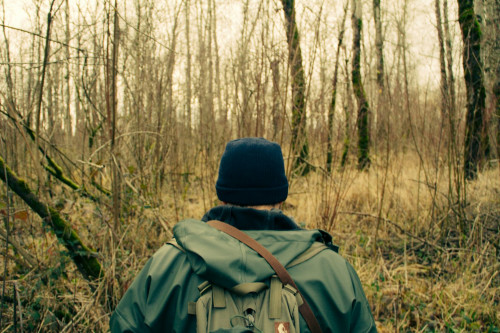
When darkness settles and the forest grows quiet again, it’s time to pack up and reflect. A good hunting day isn’t measured only by the harvest but by the experience of being part of nature’s rhythm. Take notes on what you observed, and plan your next outing based on what you’ve learned.
Understanding the daily cycle of the wild is one of the most valuable skills a hunter can develop. By adapting your hunting styles to dawn, midday, and dusk, you not only improve your success but also gain a deeper appreciation for the natural world that defines Canada’s great outdoors.
Læs også: