Changing Food Traditions: When Generations Give Classic Recipes New Life

Changing Food Traditions: When Generations Give Classic Recipes New Life
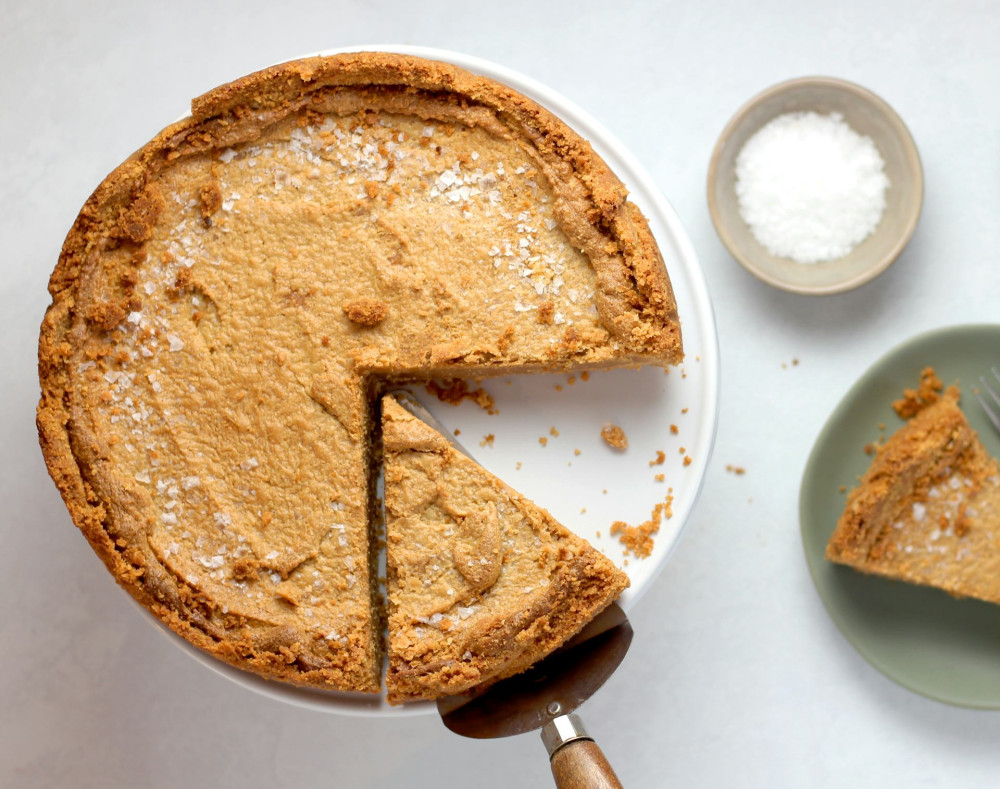
Food is more than sustenance – it’s memory, identity, and connection. Across Canada, families treasure recipes that have been passed down through generations: a grandmother’s butter tarts, a father’s tourtière, or the bannock recipe that has been shared in Indigenous communities for centuries. Yet as society evolves, so do our eating habits. Younger generations are taking these beloved dishes and giving them a modern twist.
Traditions That Bring Us Together
Food traditions act as a bridge between generations. When we cook a dish our parents or grandparents once made, we recreate not only the flavours but also the stories and emotions tied to them. The smell of maple syrup simmering on the stove or the first bite of homemade perogies can instantly transport us back to family gatherings and childhood kitchens.
But traditions are not static. They survive because they adapt. Today, a classic like shepherd’s pie might be made with lentils instead of beef, or a Sunday roast might feature locally grown vegetables and plant-based gravy. These small changes keep the spirit of the dish alive while reflecting the values and tastes of a new era.
New Generations, New Values
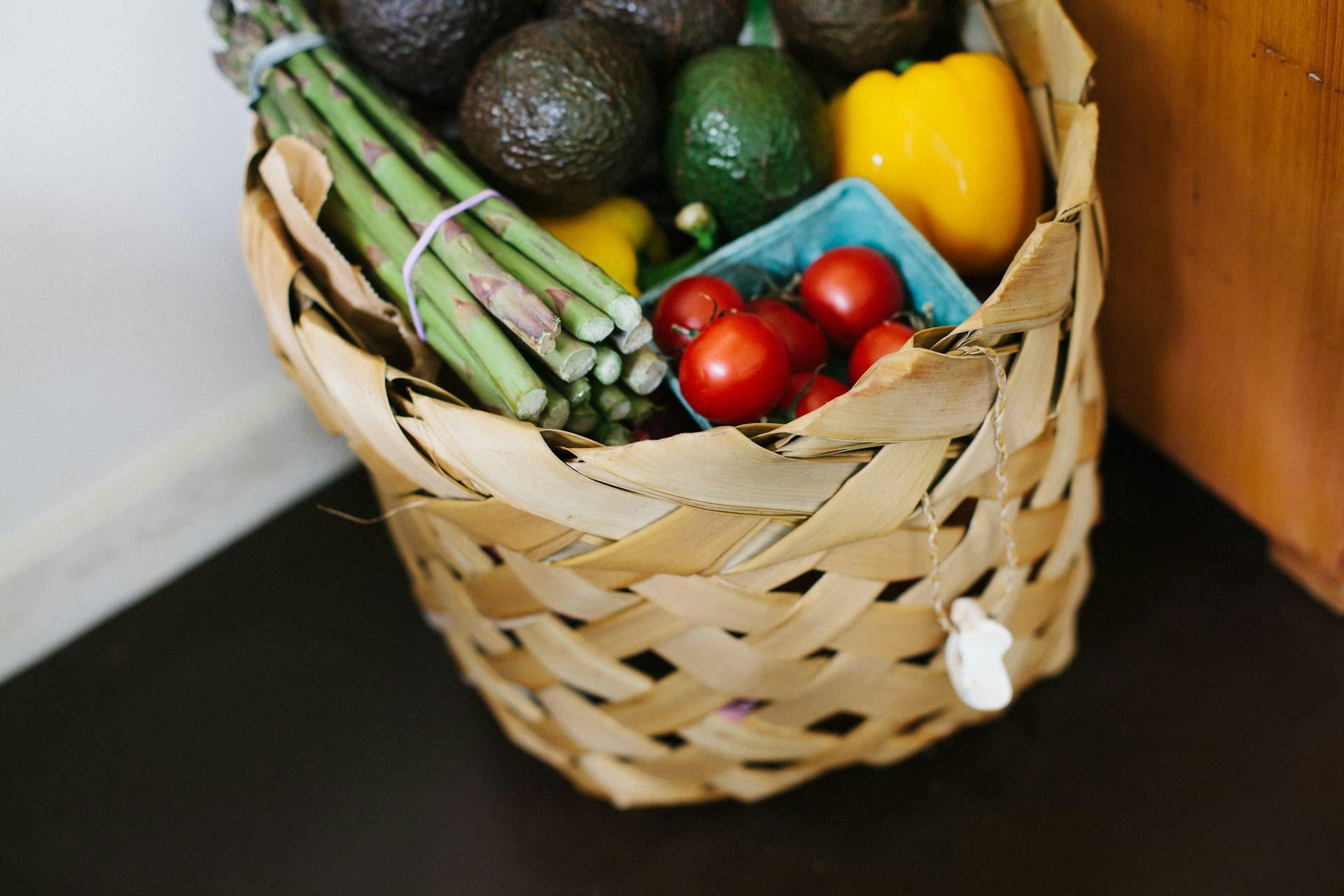
Younger Canadians approach food differently than their grandparents did. Where earlier generations focused on feeding large families with simple, affordable ingredients, today’s cooks often think about sustainability, health, and global inspiration. Many are choosing to eat more plant-based meals, reduce food waste, and explore flavours from around the world.
This doesn’t mean turning away from tradition – quite the opposite. Classic recipes become a foundation for creativity. A traditional butter tart might be made with coconut sugar and vegan butter, or a family poutine recipe might feature sweet potato fries and mushroom gravy. In this way, old favourites become part of a new culinary story.
When Technology Meets Tradition
Technology has also transformed how we share and preserve recipes. Where once family recipes were written in notebooks or passed along by word of mouth, they now live on blogs, social media, and video tutorials. This digital exchange makes it easier to keep traditions alive – and to reinvent them.
Young cooks learn techniques from online videos that their grandparents once demonstrated in person. At the same time, older generations can take pride in seeing their recipes reach new audiences, perhaps with a dash of chili or a dairy-free twist. The internet has become a new kind of family cookbook – one that never stops growing.
Cooking as a Shared Experience
In many Canadian households, cooking has become a collaborative project that brings generations together. Grandparents teach grandchildren how to knead dough or make jam, while the younger ones introduce new ingredients like quinoa or tofu. These shared moments create more than just good meals – they spark conversations about heritage, values, and change.
When generations meet in the kitchen, something special happens. The elders bring experience and tradition; the young bring curiosity and innovation. Together, they create a food culture that honours the past while embracing the future.
Læs også:
A Living Food Culture
Food traditions evolve because life evolves. New ingredients, travel experiences, and environmental awareness all shape how we eat. But the old recipes don’t disappear – they are reimagined, adjusted, and passed on in new forms.
When we give classic dishes new life, we show respect for where we come from and hope for where we’re going. It’s in the meeting of the familiar and the fresh that our food culture stays alive – and that the taste of our grandparents’ kitchens continues to warm our tables today.
Læs også: