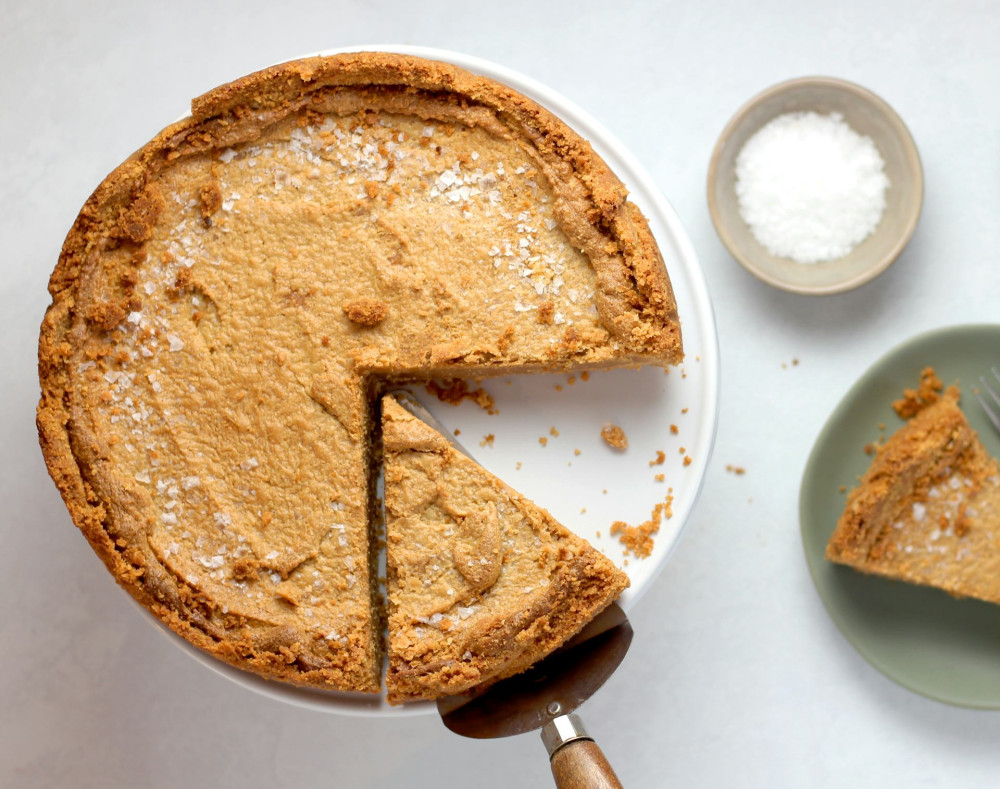
Temperature and Texture: The Key to Perfect Desserts

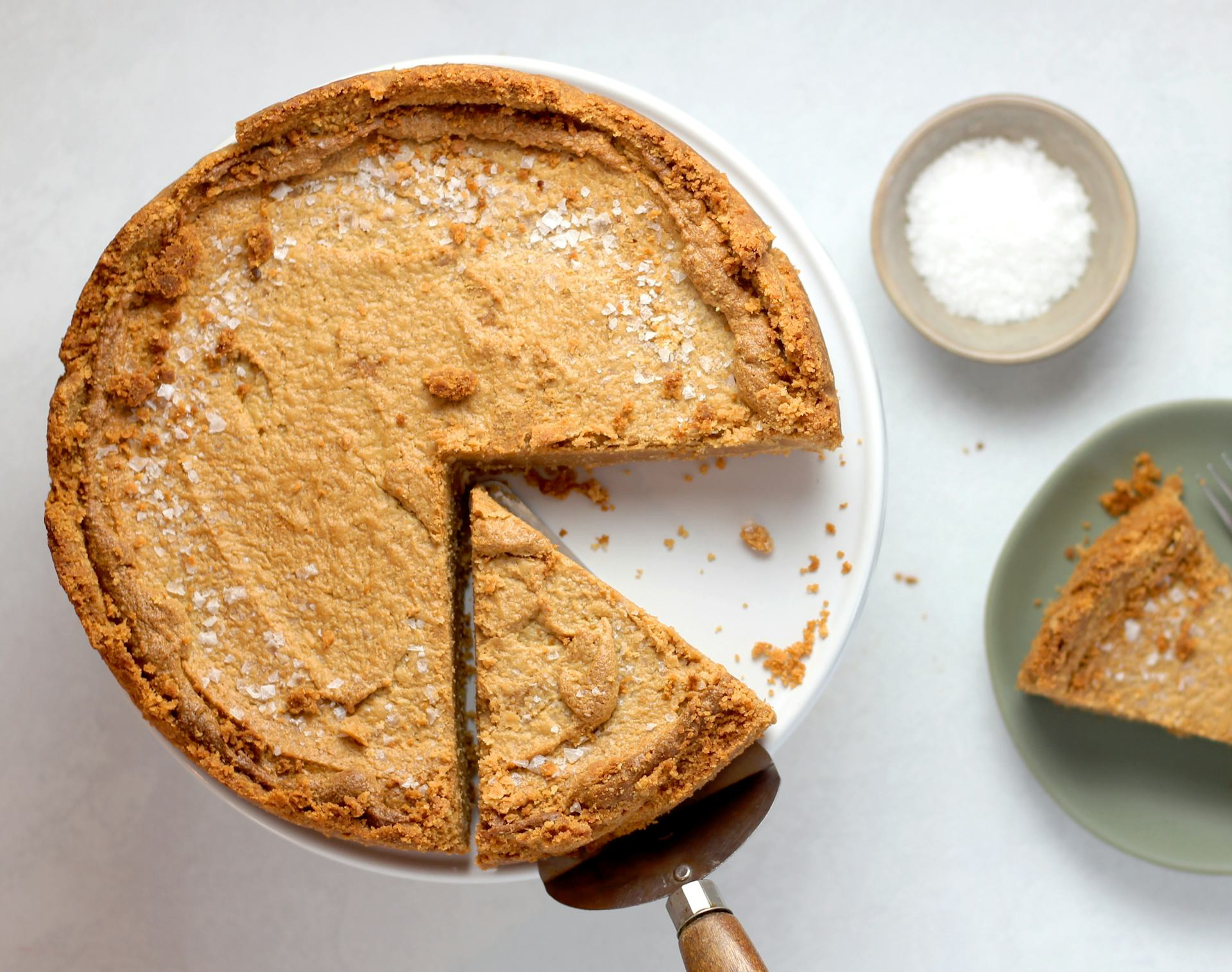
Temperature and Texture: The Key to Perfect Desserts
When it comes to creating unforgettable desserts, flavour is only part of the story. The real magic lies in the interplay between temperature and texture. A warm chocolate lava cake with a molten centre, a crisp meringue paired with silky cream, or a frosty sorbet that melts slowly on the tongue—all depend on how you control heat and consistency. Here’s why these two factors are the secret to perfect desserts, and how you can use them to elevate your own creations at home.
Temperature – more than just hot or cold
Temperature shapes both taste and mouthfeel. A dessert served too cold can seem dull and flavourless, while one that’s too warm may feel heavy or cloying. The key is balance.
- Ice cream and sorbet taste best around -12 °C. Straight from the freezer, they’re too hard and muted in flavour. Let them rest for a few minutes so they soften and release their aromas.
- Chocolate demands precision. A ganache that’s too warm turns runny and loses structure, while one that’s too cold can split. The ideal serving temperature is around room temperature—soft yet stable.
- Baked desserts like fondants or soufflés rely on exact timing. Just a few degrees determine whether you get a luscious molten centre or a dry cake.
Mastering temperature is about timing—knowing when to remove a dessert from the oven and how long to let it rest before serving.
Texture – the contrasts that create excitement
A dessert without texture can quickly become monotonous. It’s the contrasts that make each bite interesting: crisp against creamy, airy against dense, warm against cold.
- Crunch adds contrast to soft or sweet elements. Think of a crumble topping on baked fruit or the caramelized crust of a crème brûlée.
- Lightness brings balance. A whipped mousse or meringue adds volume and keeps a dessert from feeling too rich.
- Creaminess ties everything together. A vanilla custard, ganache, or ice cream can serve as the smooth centre that unites crisp and tart components.
When designing a dessert, think in layers and contrasts. A good rule of thumb is to include at least two different textures—ideally three.
Læs også:
The harmony of temperature and texture
The true magic happens when temperature and texture meet. A warm apple pie with cold vanilla ice cream is a timeless example: the hot, flaky crust meets the cool, creamy scoop, and the contrast enhances both. The same goes for a molten chocolate cake with a chilled berry compote—the warmth of the chocolate intensifies the freshness of the fruit.
You can also play with temperature within a single texture. A cold, airy mousse can be topped with a warm fruit foam, or a crisp meringue can be paired with a gently heated sauce. The goal is to create movement in the experience—something that evolves as you eat.
Training your senses
Mastering temperature and texture takes practice, but you can improve quickly by experimenting intentionally.
- Taste as you go. Sample your components at different temperatures—you’ll be surprised how much the flavour changes.
- Take notes. Record how texture shifts when you adjust baking time, whipping, or cooling.
- Think in contrasts. When planning a dessert, ask yourself: What’s the crunchy element? What’s the creamy one? What’s the cold component?
Over time, you’ll develop an intuitive sense for when a dessert truly “hits the sweet spot.”
A sensory experience
Perfect desserts aren’t just about recipes—they’re about sensation. When temperature and texture work together, they awaken all the senses: you hear the crunch, feel the warmth, taste the sweetness, and sense the balance. That’s when dessert becomes more than food—it becomes a moment of pure pleasure.
So next time you’re in the kitchen, don’t just think about ingredients. Think about how you can play with temperature and texture. That’s where the secret to truly memorable desserts lies.
Læs også: