From Raw to Ready: How Cooking Transforms the Nature of Ingredients

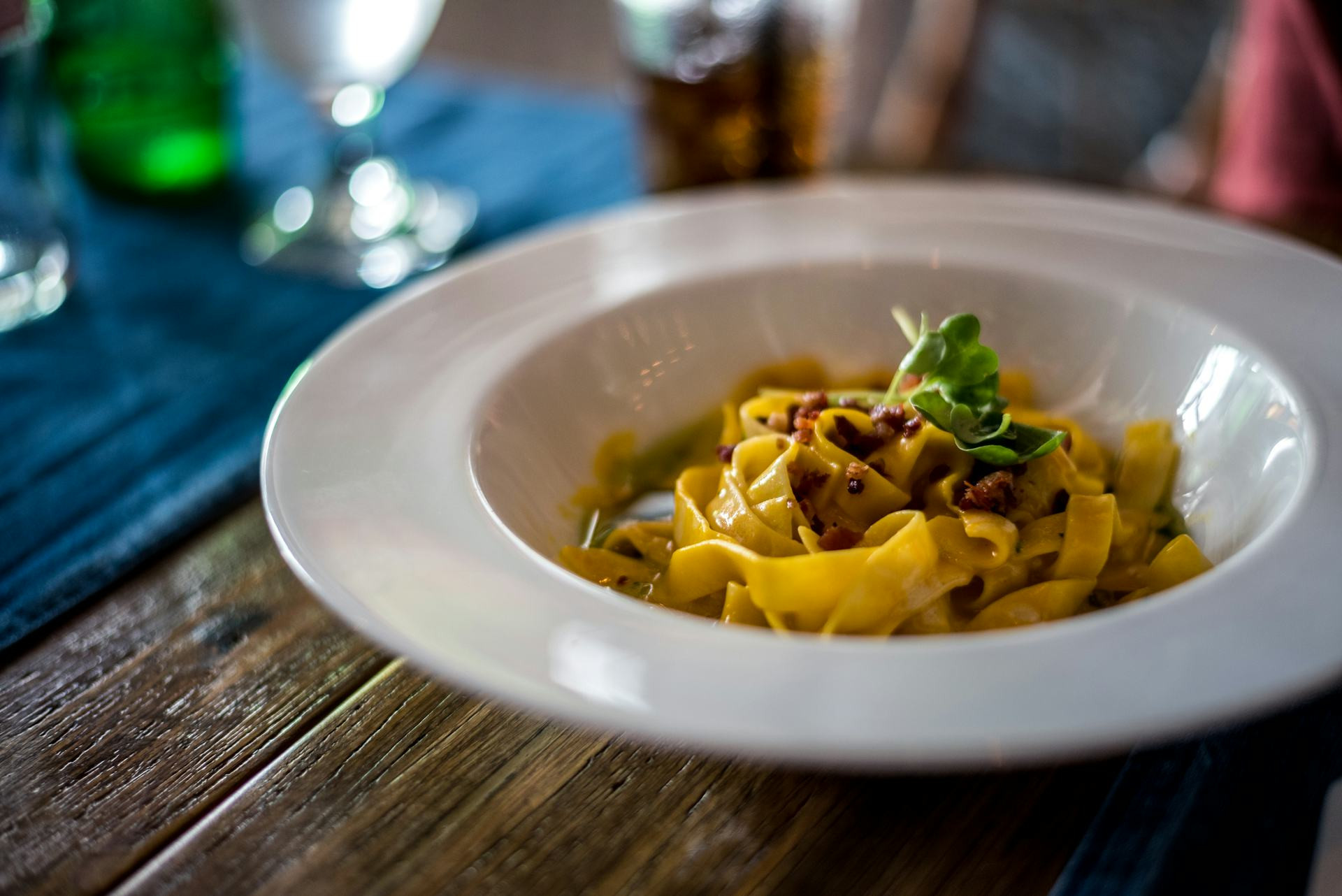
From Raw to Ready: How Cooking Transforms the Nature of Ingredients
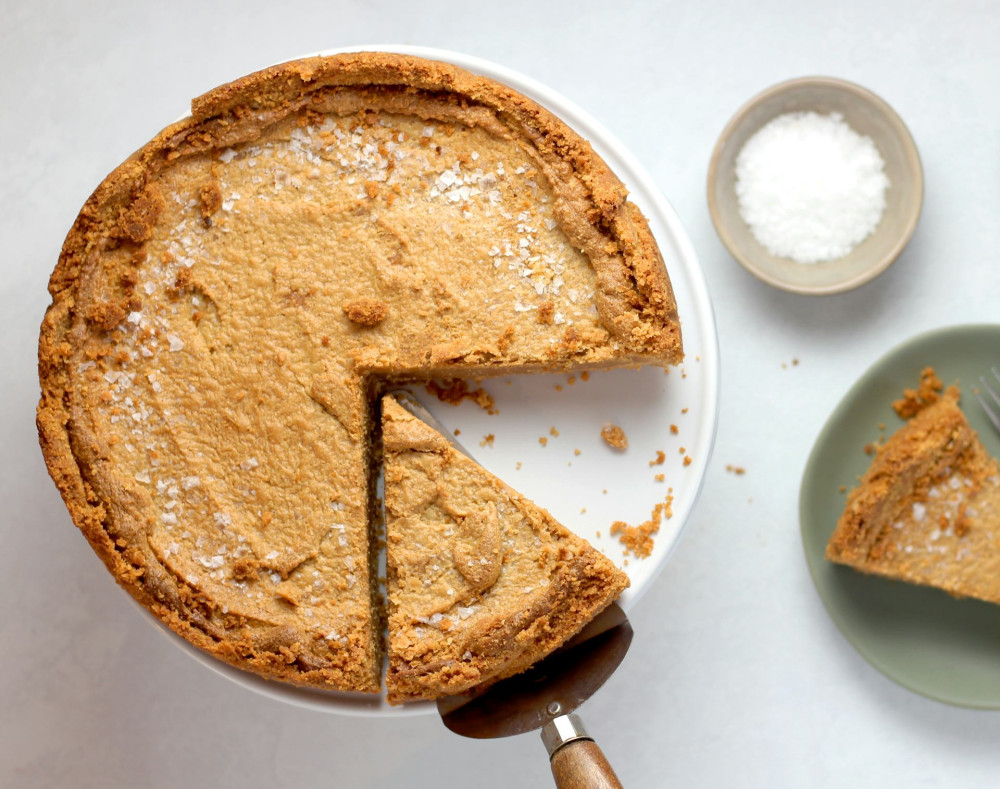
When we step into the kitchen to chop, sear, boil, or bake, we’re doing far more than turning raw ingredients into a meal. Cooking is, at its core, a series of chemical and physical transformations where heat, time, and technique reshape the structure, flavor, and appearance of food. It’s where the magic happens — a crisp apple softens into a pie filling, a steak develops a golden crust, and dough rises into fragrant bread. This article explores how cooking transforms ingredients and why understanding these changes can elevate your everyday cooking.
Heat – The Catalyst for Change
Heat is the driving force behind most cooking transformations. When we apply energy to food, a cascade of reactions alters its texture, taste, and color.
- Proteins coagulate – In meat, eggs, and fish, heat causes proteins to unfold and form new bonds. This is why egg whites turn from translucent to firm, and why meat changes from raw to tender.
- Starch gelatinizes – In potatoes, rice, and grains, starch absorbs water and swells, creating the soft, satisfying texture we associate with cooked food.
- Fats melt – Butter, oils, and animal fats change from solid to liquid, carrying flavor and adding richness.
But heat is a balancing act. Too much can dry out meat or make vegetables mushy; too little leaves them raw and tough. Mastering temperature is one of the most important skills in cooking.
The Maillard Reaction – The Alchemy of Flavor
When you sear a steak, toast bread, or roast coffee beans, you’re witnessing the Maillard reaction — a complex interaction between amino acids and sugars that creates hundreds of new flavor compounds. It’s responsible for the deep brown color and savory, roasted notes that make cooked food so appealing.
This reaction typically begins around 140°C (285°F) and continues as long as the surface stays dry. That’s why it’s important to pat meat dry before searing and to avoid overcrowding the pan — otherwise, the food steams instead of browning. The Maillard reaction is one of the most powerful tools in the kitchen for building depth and aroma.
Caramelization – When Sugar Gains Character
Caramelization is another browning process, but here it’s sugar alone that reacts to heat. Around 160°C (320°F), sugar molecules break down and recombine into new compounds that add both sweetness and complexity. This is what happens when you make caramel, bake cookies, or roast onions.
Caramelization brings a balance of sweetness and slight bitterness that enhances both desserts and savory dishes. A touch of caramelized flavor on root vegetables or onions can transform a simple side into something extraordinary.
Læs også:
Boiling, Steaming, and Baking – Different Paths to the Same Goal
While heat is the common denominator, the method of applying it changes everything.
- Boiling adds moisture and softens tough ingredients like beans or potatoes, but overboiling can wash out flavor and nutrients.
- Steaming preserves color, texture, and vitamins because the food isn’t submerged in water.
- Baking uses dry heat and air circulation to create crisp exteriors and even cooking — perfect for bread, pastries, and roasted vegetables.
Choosing the right method depends on what you want to highlight: tenderness, crispness, or intensity of flavor.
Acid, Salt, and Time – The Invisible Transformers
Not all transformation requires heat. Acid, salt, and time can also dramatically alter ingredients.
- Acid (from lemon juice, vinegar, or yogurt) can “cook” fish in ceviche or tenderize meat in marinades.
- Salt draws out moisture and concentrates flavor — but when used in brines, it can also make meat juicier and more flavorful.
- Time plays a role in everything from bread fermentation to cheese aging and vegetable pickling. Here, enzymes and microorganisms work slowly to develop complex flavors and textures.
These processes remind us that cooking isn’t just about heat — it’s about creating the right conditions for transformation.
From Technique to Intuition
Once you understand what’s happening in the pan, cooking becomes more than following a recipe — it becomes a craft. You learn to see when onions are perfectly caramelized, to feel when meat is tender, and to smell when bread is ready to come out of the oven. That’s where intuition takes over, and experience turns into flavor.
Cooking is ultimately a balance between science and the senses. It transforms not only the ingredients but also our relationship with them. From raw to ready, it’s a journey through aroma, texture, color, and taste — a daily act of transformation that connects us to both nature and nourishment.
Læs også: